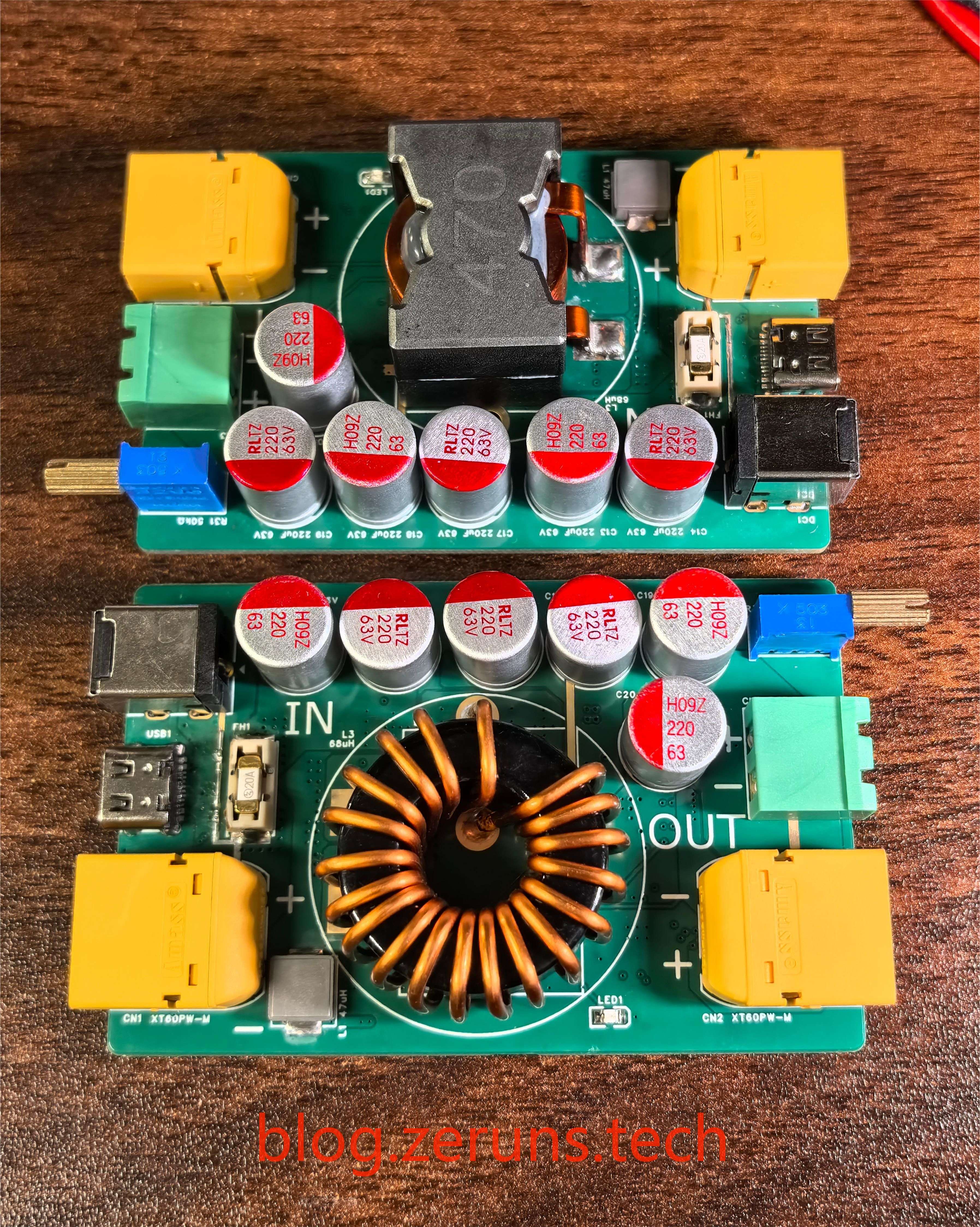
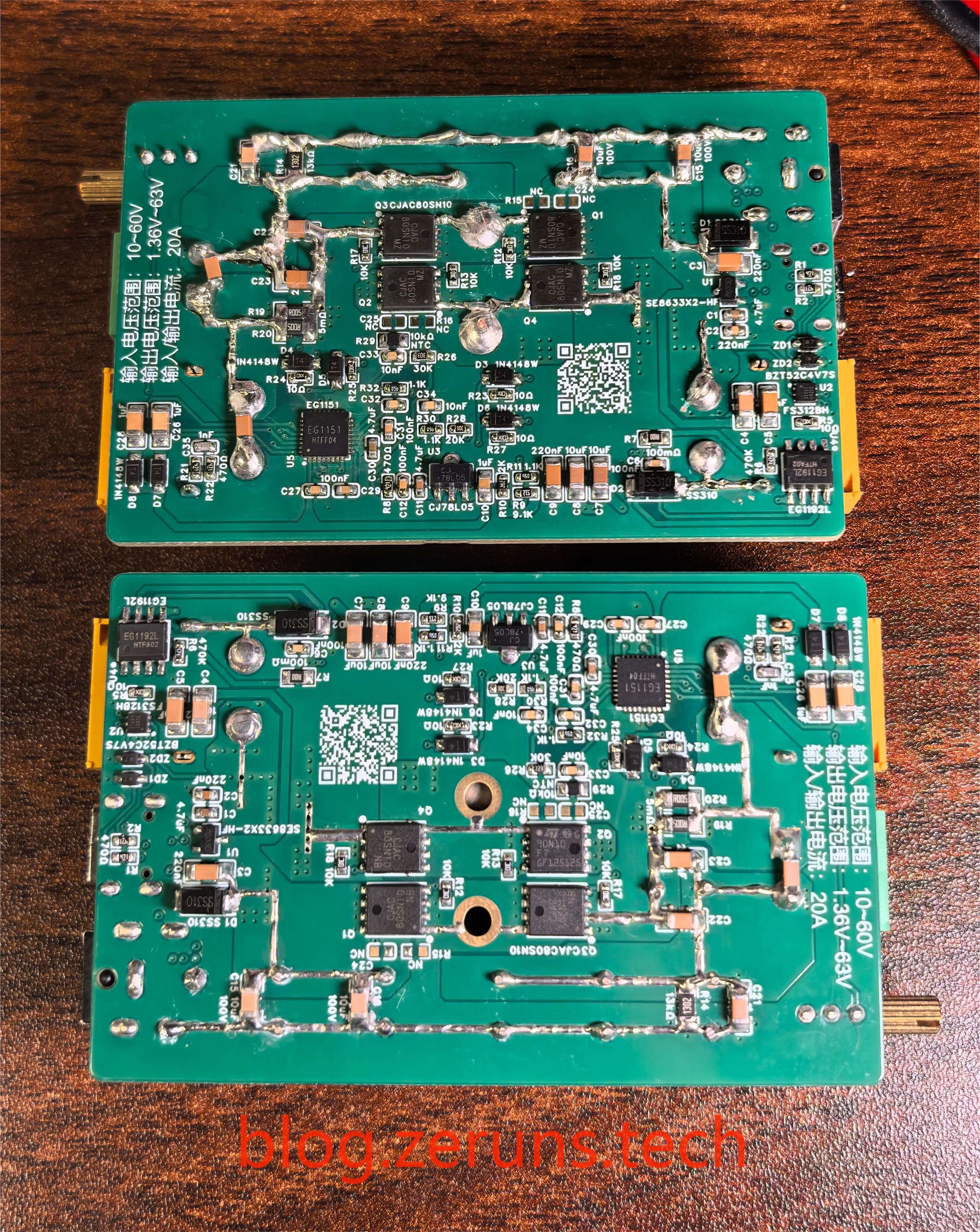
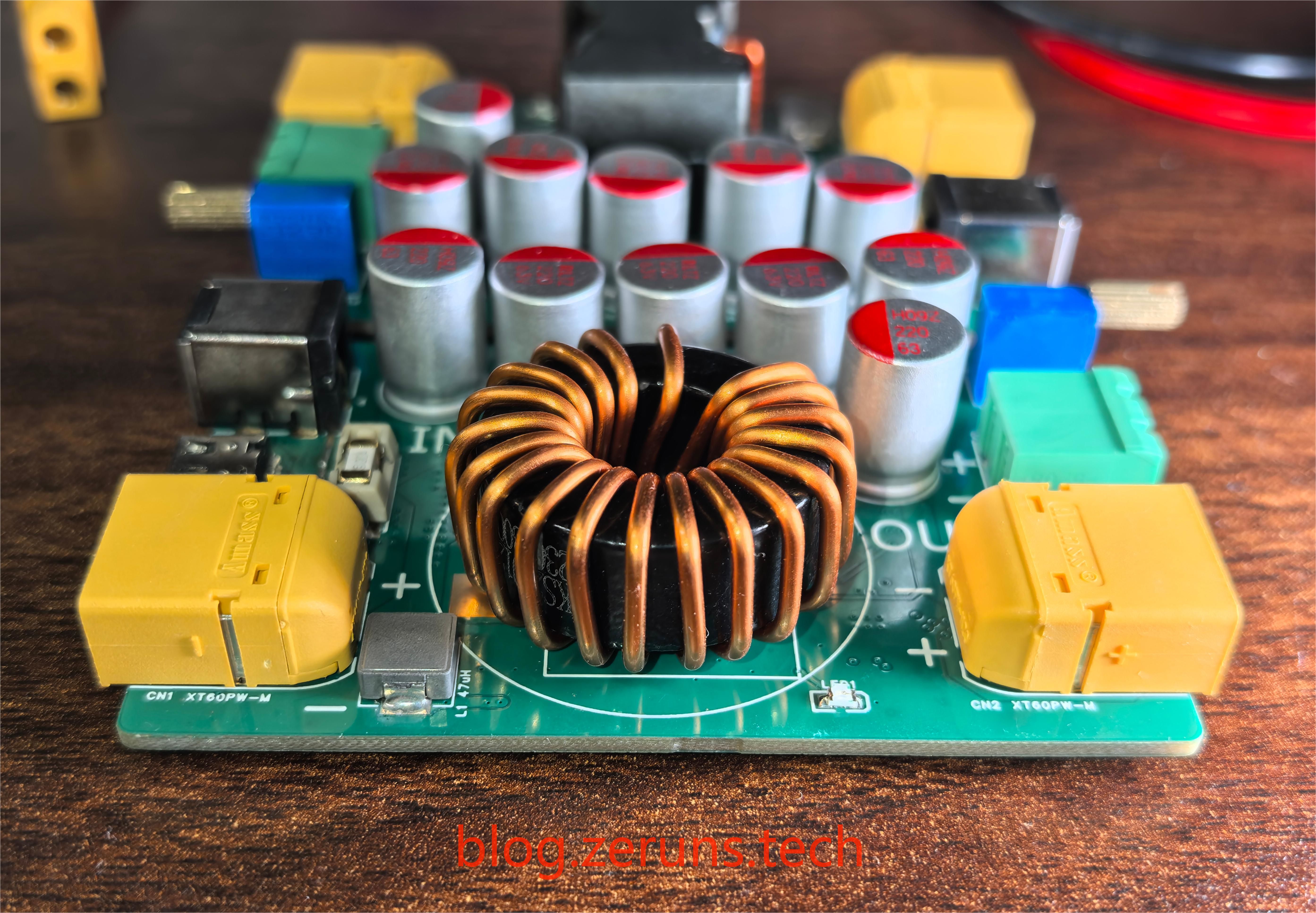
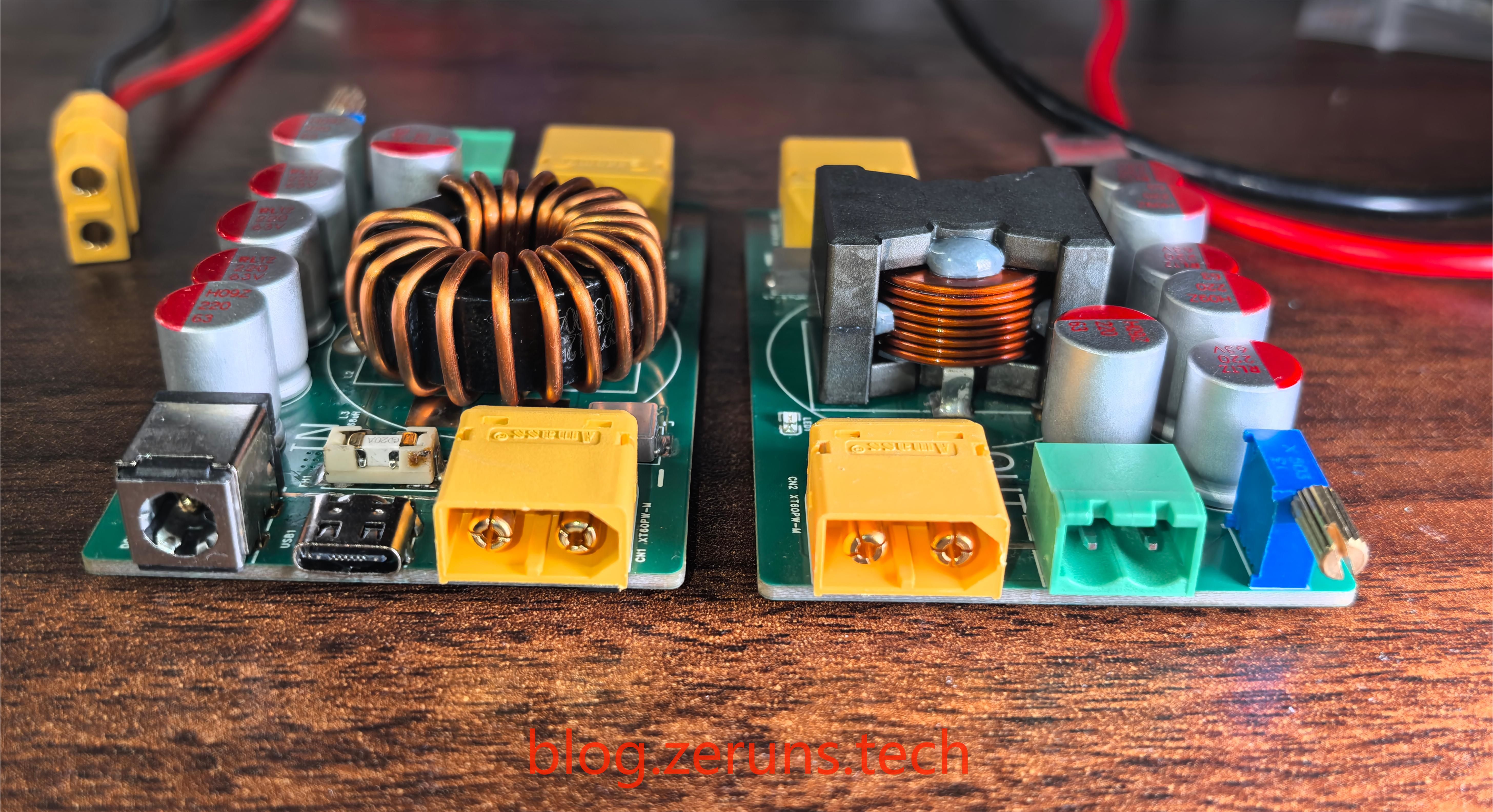
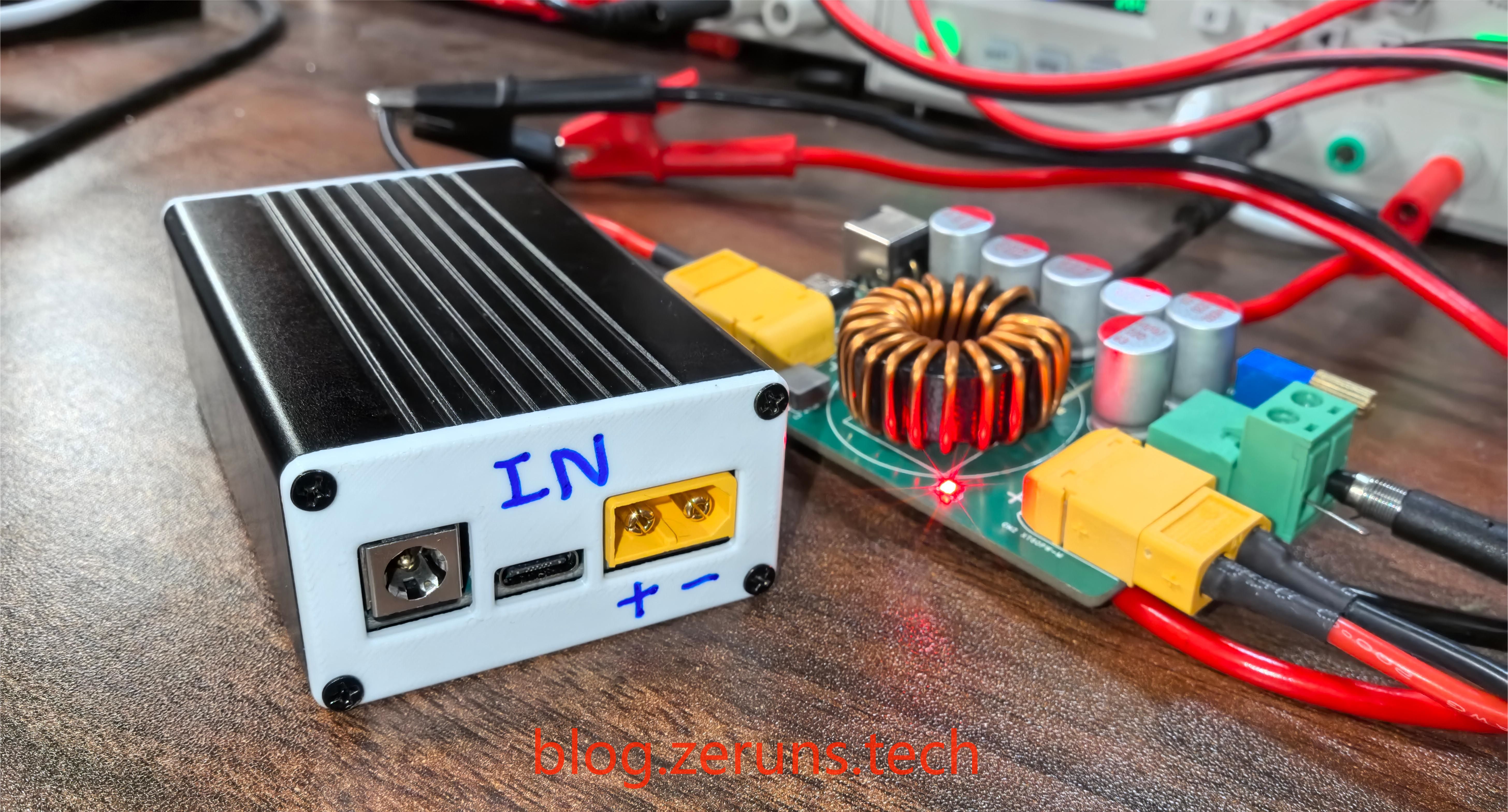
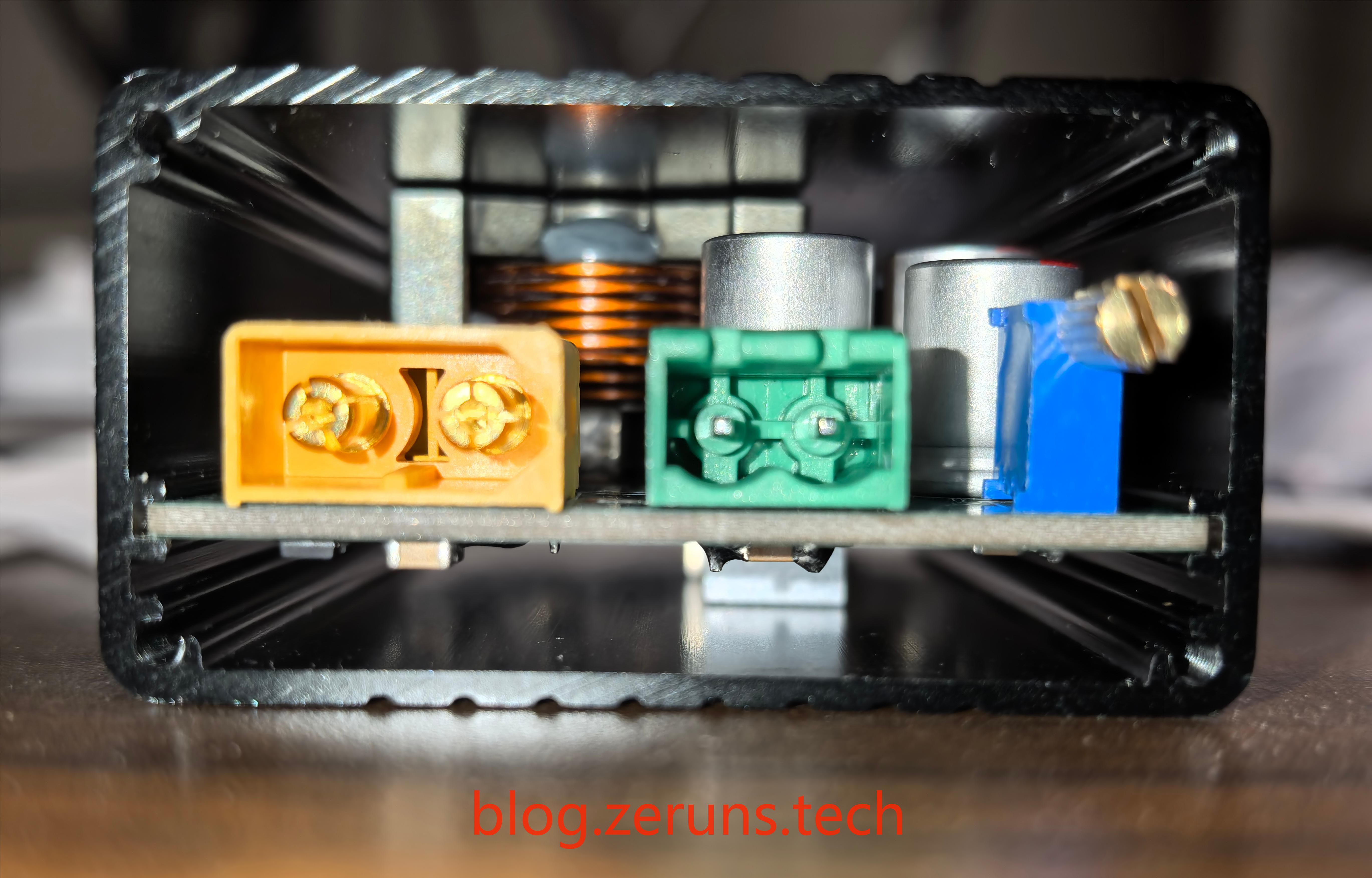
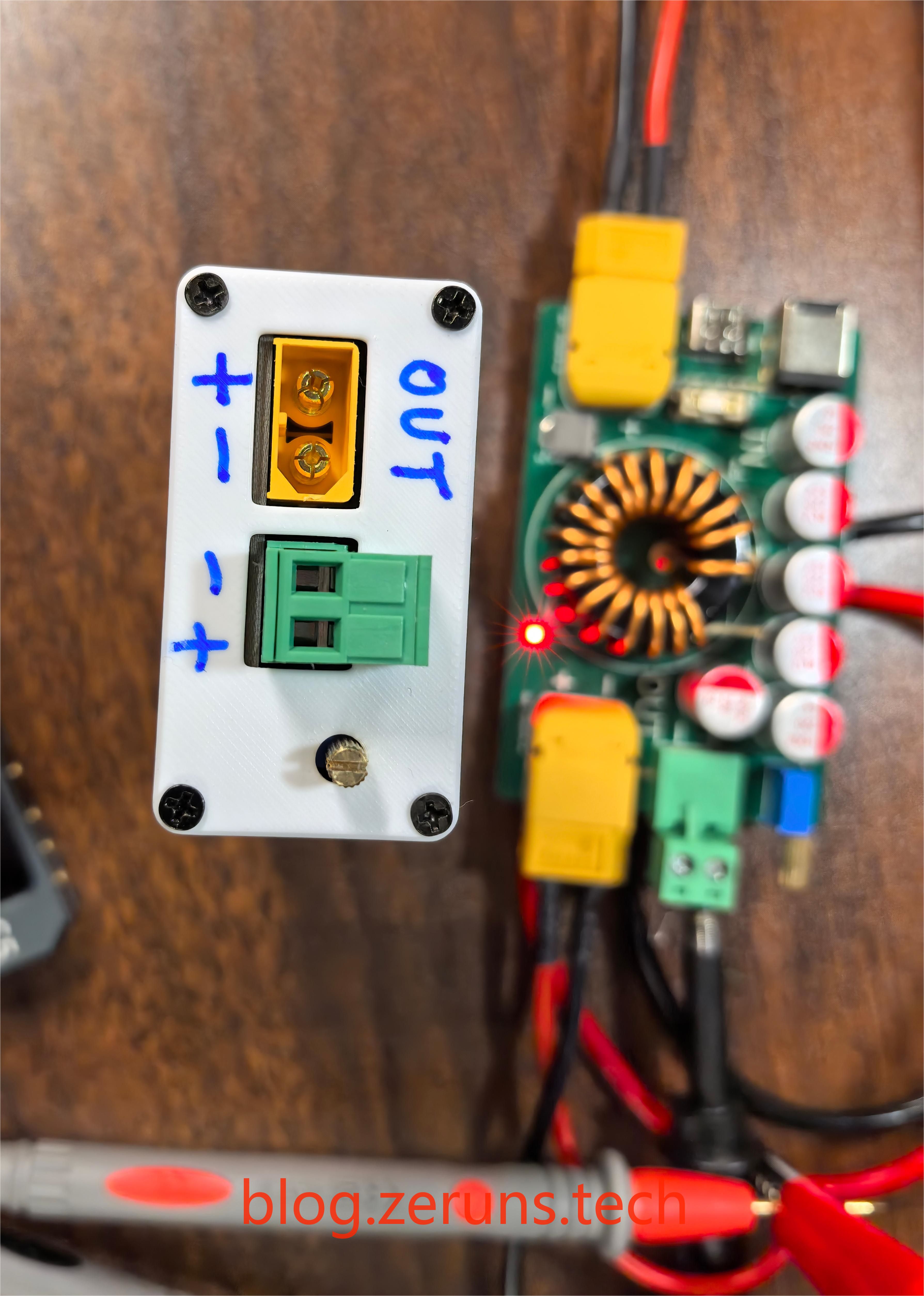
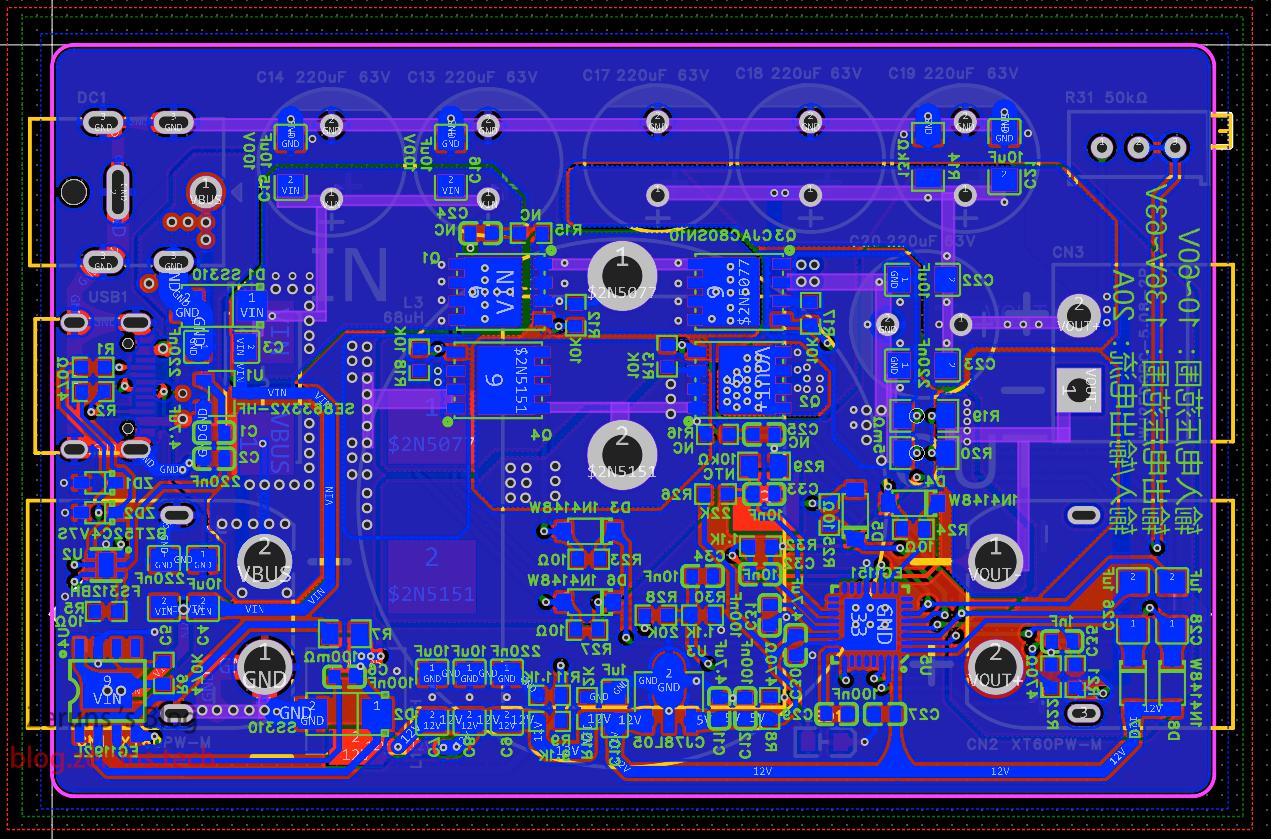
Open-sourced a fully domestic high-power adjustable buck-boost DC-DC power module based on the EG1151 chip, supporting Type-C interface input with PD3.1 deception supporting up to 48V, as well as XT60 and DC5.5 interface inputs, maximum input/output voltage 63V, maximum input/output current 20A, supporting overcurrent protection and overtemperature protection, with maximum efficiency of 96.8%.
All components used in this module are domestically produced.
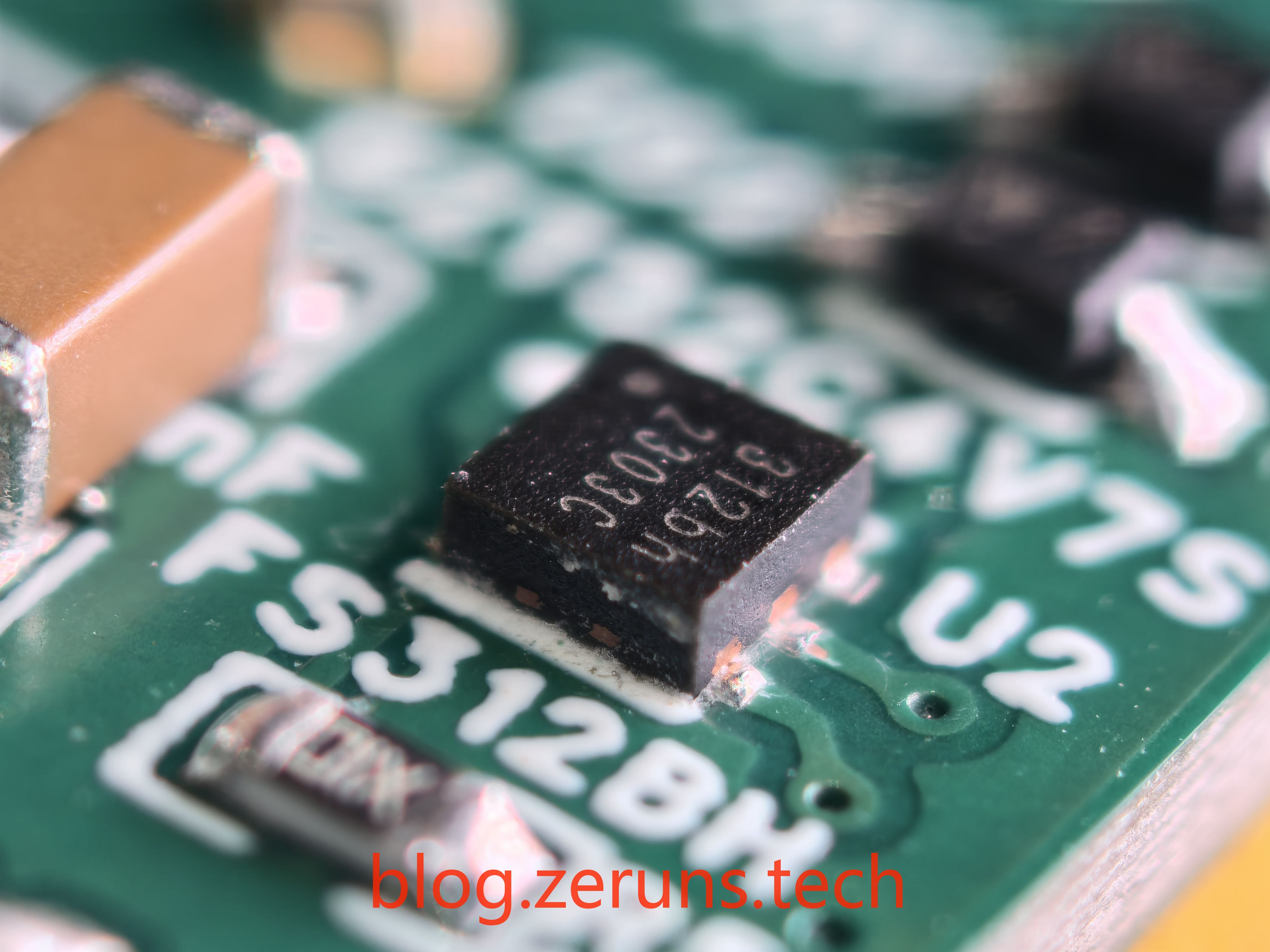
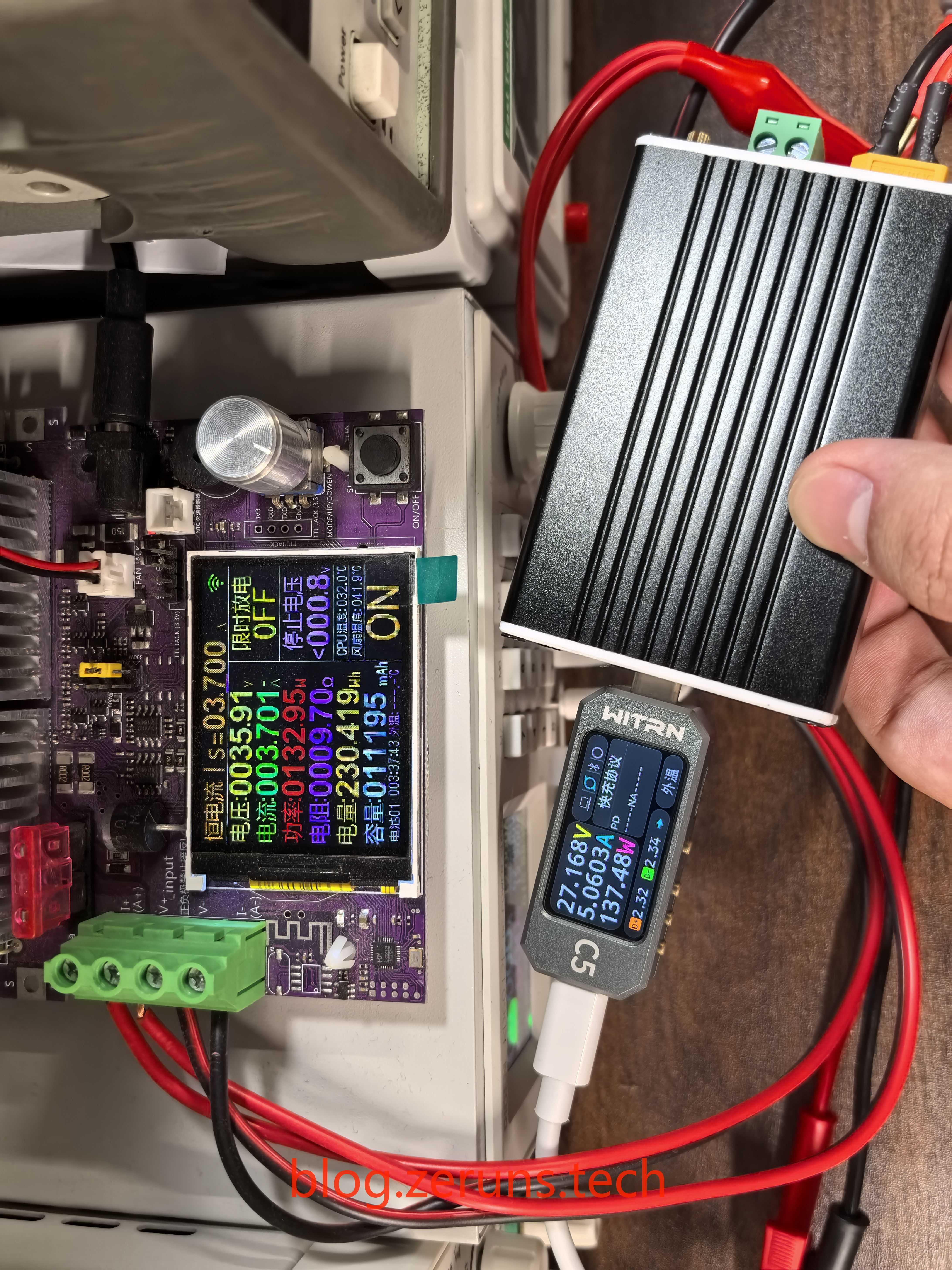
The PD3.1 deception chip model used is FS312BH, which can deceive PD chargers to output up to 48V. If the charger doesn’t support this voltage, it will automatically select the closest voltage. For example, if your PD charger supports a maximum of 28V, it will output 28V. (As of the time of writing, PD3.1 chargers on the market seem to only support a maximum output of 28V)
To input 28V through the Type-C interface, in addition to the charger supporting PD3.1 28V, your data cable needs to have an E-mark chip and support the PD3.1 ERP28V protocol.
Note: The three input interfaces cannot be used simultaneously, the input interfaces are in parallel!
Video demonstration: https://www.bilibili.com/video/BV1fS411P7Cp/
Resource download links are at the end of the article!
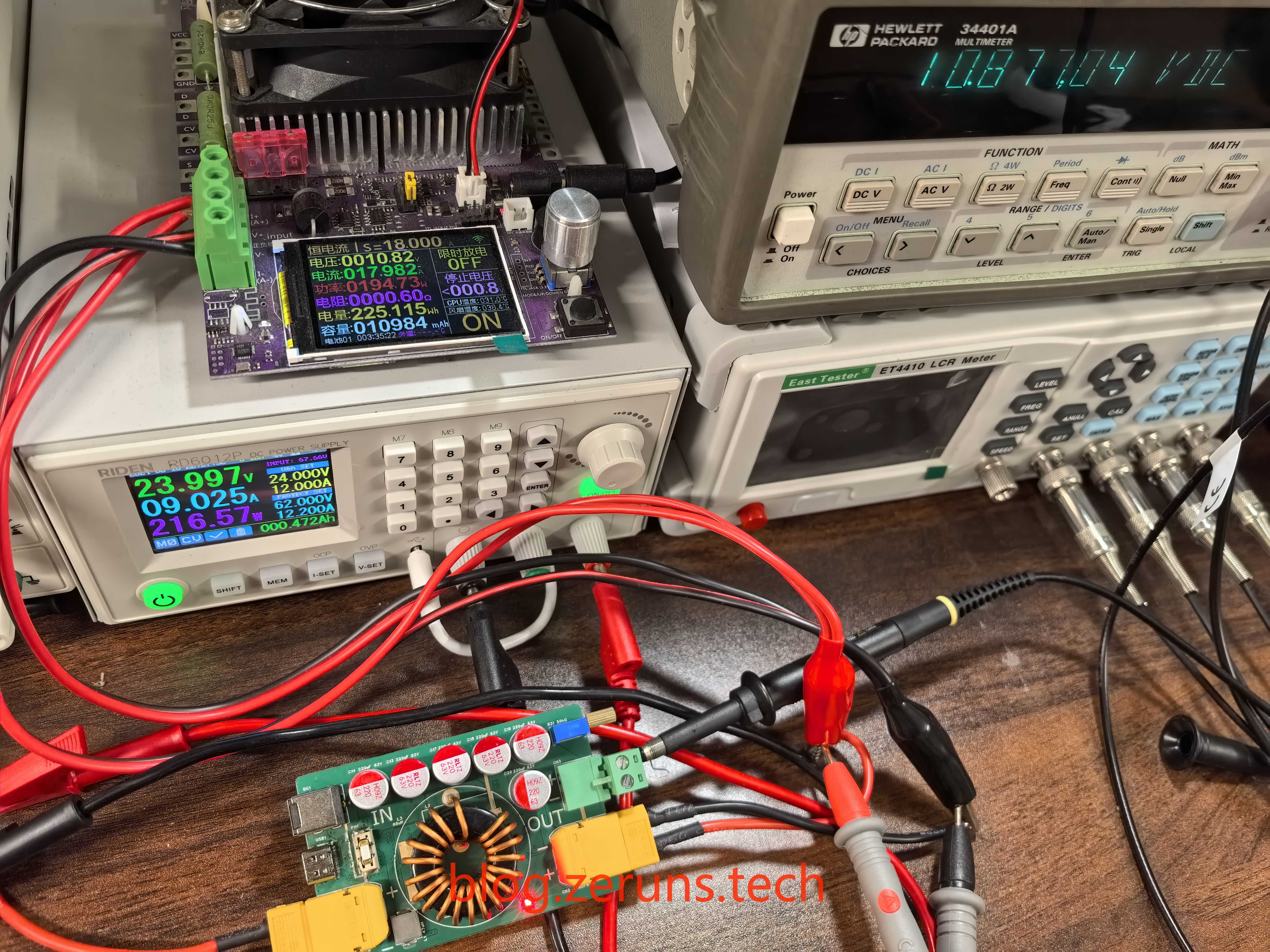
The maximum current design for this module is 20A, but actual testing shows it can only reach around 18A, and at 18A the voltage drop is already quite noticeable!
The design is average, experts please don’t criticize. If you think there are areas that could be improved, feel free to suggest them in the comments section. Friendly discussions are welcome.
LiChuang Open Source Platform link: https://oshwhub.com/zeruns/eg1151-da-gong-lv-tong-bu-zheng-liu-sheng-jiang-ya-mo-kuai-zhi-chi-typec-pd-kuai-chong-shu-ru
Electronics/Microcontroller Technology Exchange QQ Group: 2169025065
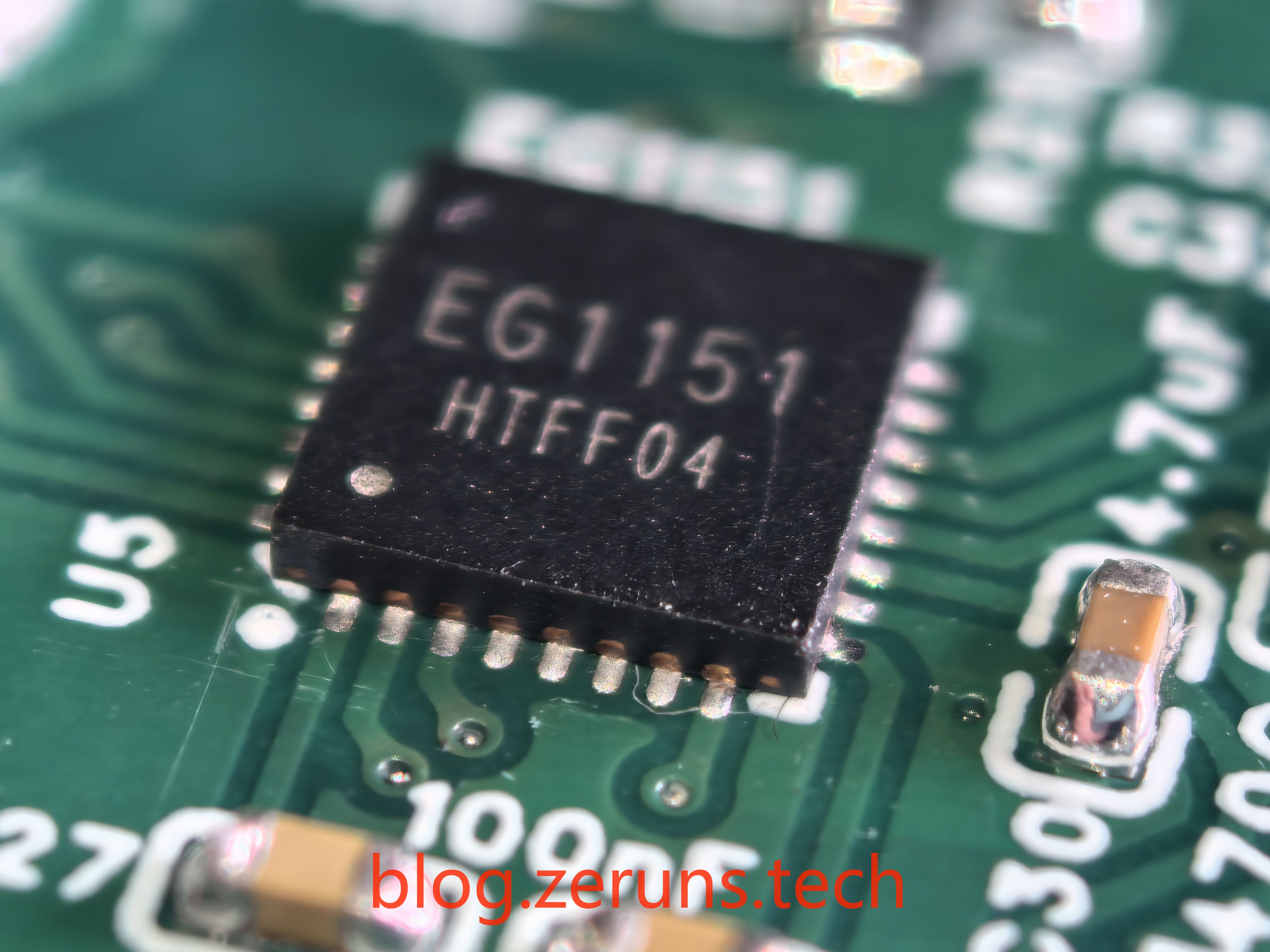
EG1151 Introduction
The EG1151 is a four-switch buck-boost DC-DC power management chip. It integrates reference power supply, oscillator, error amplifier, current limiting protection, short circuit protection, half-bridge driver and other functions. It can adopt corresponding control strategies based on the specific relationship between input and output voltage and different load conditions. It provides stable voltage output across the entire input voltage fluctuation range. It is particularly suitable for wide voltage range, large current buck-boost applications, especially in battery-powered situations where voltage is not constant, and also supports battery charging.
Features:
- Wide input voltage range: 7V—150V
- High efficiency, up to 95%
- Undervoltage protection
- Overtemperature protection
- Support for battery charging
- Output short circuit protection
- Package form: QFN32
Physical Photos
The enclosure is an aluminum shell purchased from Taobao, and the front and back covers are designed by myself and then 3D printed. The 3D models of the enclosure and front/back covers are also included in the materials.
Chip Soldering Tips
The EG1151 chip package is QFN32, and the FS312BH chip package is DFN2X2-6L. Both of these packages are very small and difficult to solder, requiring some technique.
When soldering these two types of packages, if your PCB uses immersion gold process, pre-tin the pads first. If it uses tin plating process, tin the chip leads. It’s best to use medium-low temperature solder (high temperature solder is difficult to work with). Don’t apply too much solder to the middle pad, just a little bit, otherwise it will push the chip up causing the surrounding leads to lose contact. If you apply too much, clean the iron and slowly suck the solder away, or use solder wick. After tinning, apply a little flux to the pads, place the chip on top, then put it on a heating plate or use a heat gun to blow. Once the solder melts, gently move the chip with tweezers. If it self-aligns, you’re good. After cooling, check for solder bridges and handle them with the iron if needed.
Testing
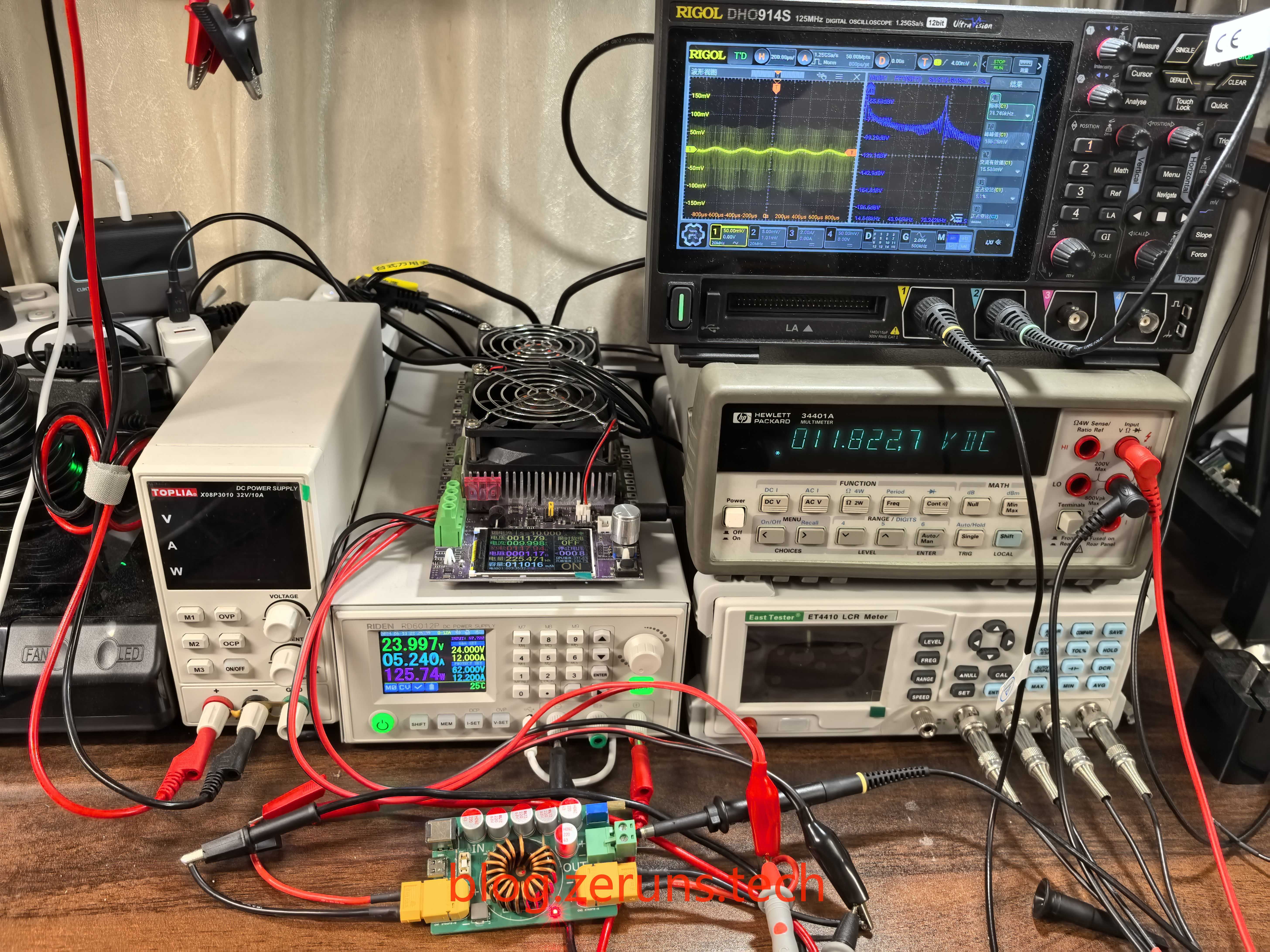
Using XT60 interface input 24V power, XT60 output interface connected to multimeter and electronic load.
Using Type-C interface input, connected to Coolmate’s 140W PD3.1 charger, you can see it successfully deceived 28V voltage.
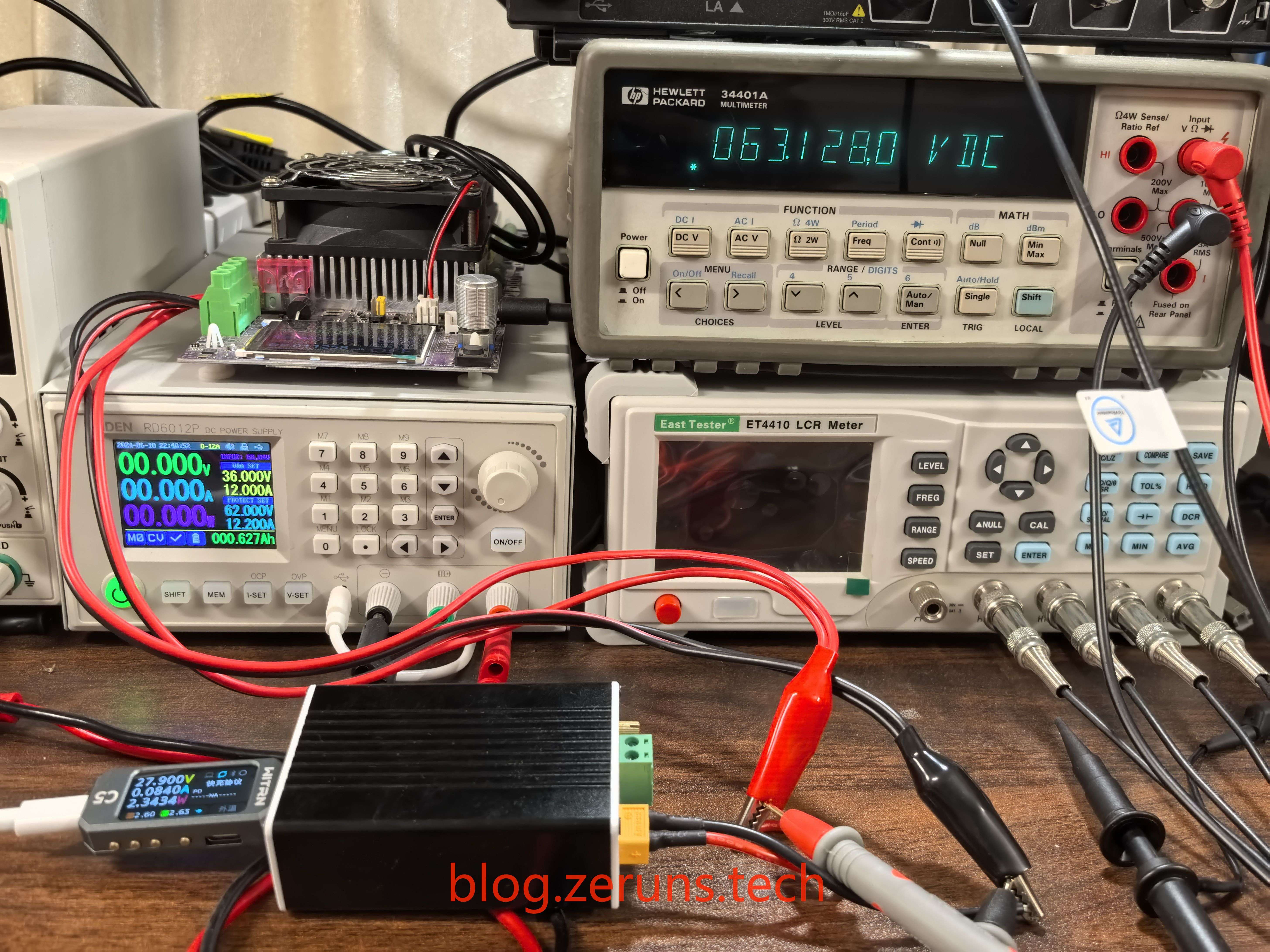
Maximum output voltage is 63V.
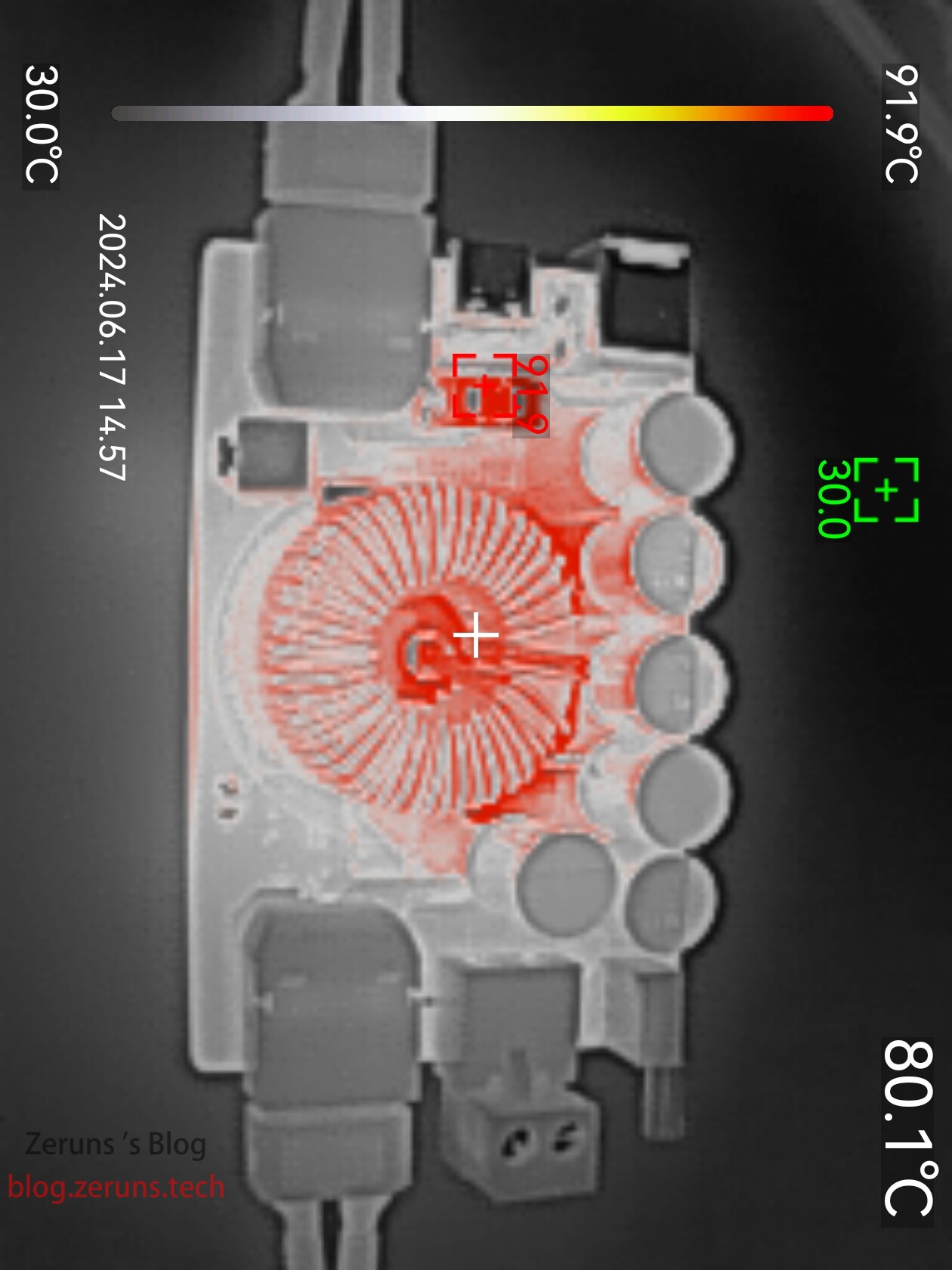
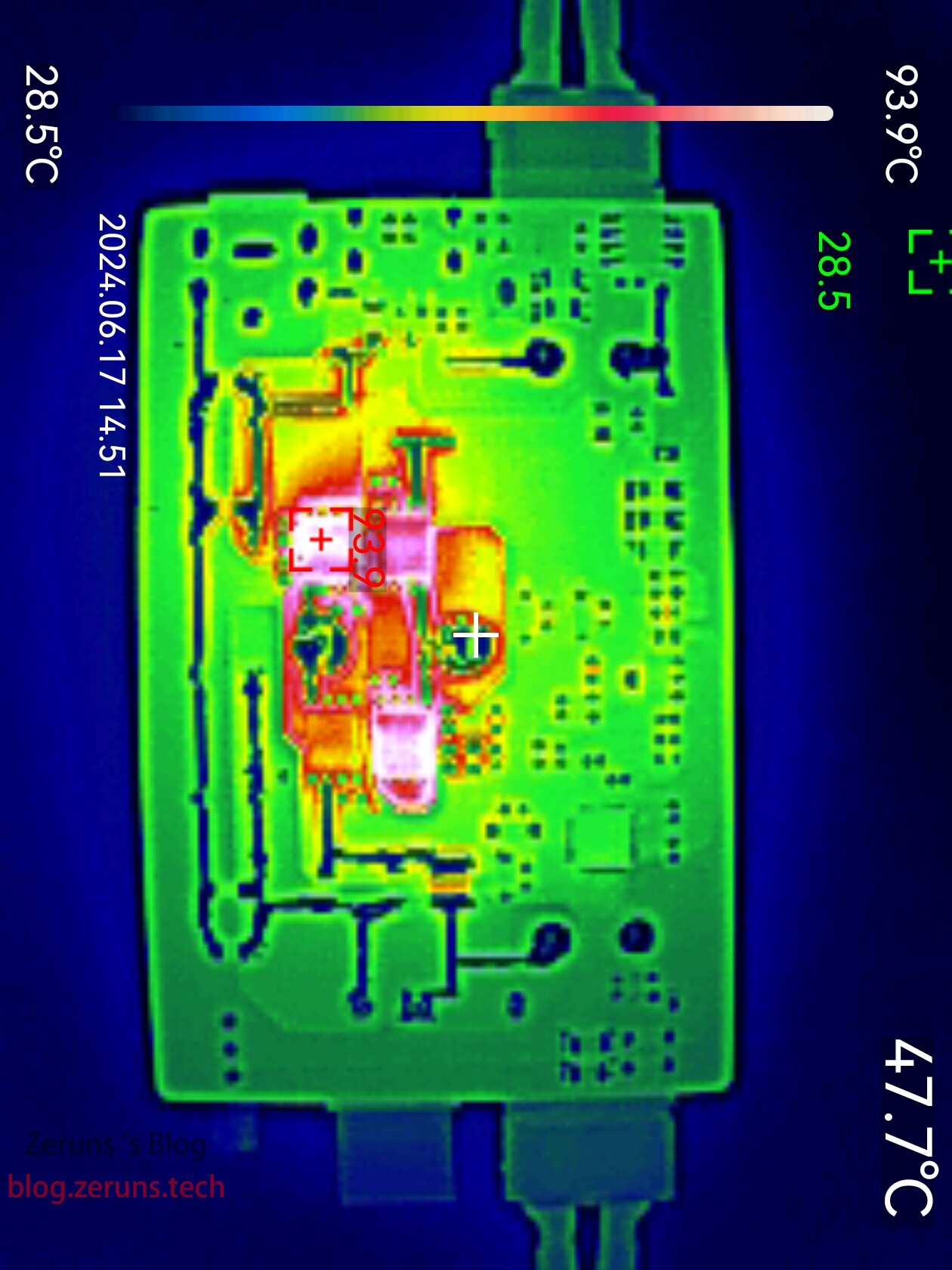
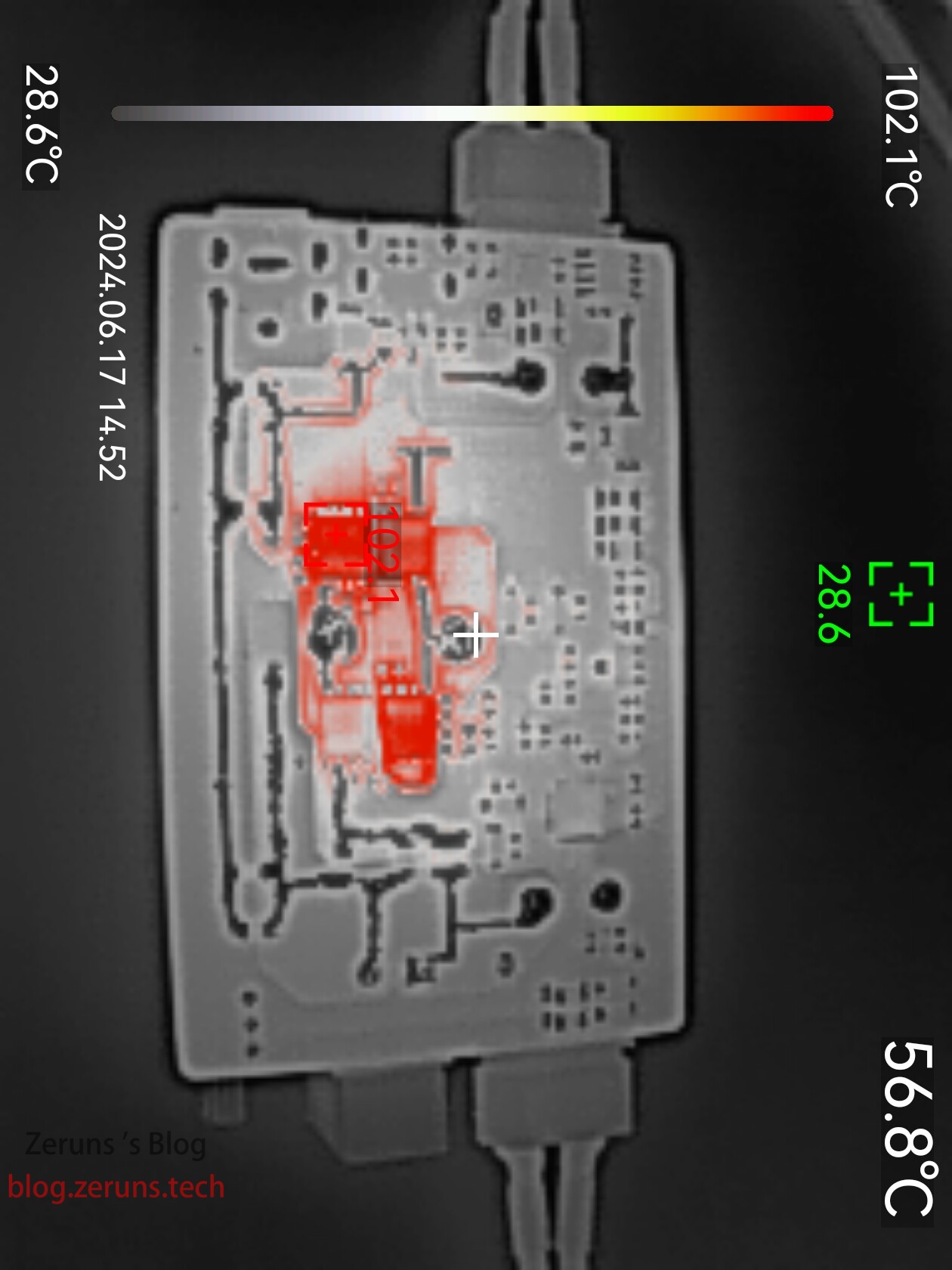
Thermal imaging of the module after outputting 10A current for 10 minutes. The MOS tube temperature is around 100 degrees. The contact resistance of the fuse and fuse holder may be a bit large, so the fuse area also generates more heat:
Test equipment used:
- HP 34401A Six and a Half Digit Multimeter: https://blog.zeruns.com/archives/772.html
- Ruideng RD6012P Programmable Adjustable Power Supply: https://blog.zeruns.com/archives/740.html
- Rigol DHO914S Oscilloscope: https://blog.zeruns.com/archives/764.html
- Juwei Electronic Load: https://s.click.taobao.com/EdLEpkt
- Uni-Trend UTi261M Thermal Imaging Camera Unboxing Review: https://blog.zeruns.com/archives/798.html
Conversion Efficiency Test
The highest efficiency obtained from testing is 96.869%.
Test data is shown in the table below:
| Input Voltage(V) | Input Current(A) | Input Power(W) | Output Voltage(V) | Output Current(A) | Output Power(W) | Conversion Efficiency(%) |
|---|---|---|---|---|---|---|
| 36.000 | 6.932 | 249.552 | 48.194 | 4.996 | 240.777 | 96.484 |
| 60.000 | 6.264 | 375.840 | 35.669 | 9.995 | 356.512 | 94.857 |
| 48.000 | 9.434 | 452.832 | 28.841 | 14.993 | 432.413 | 95.491 |
| 60.000 | 5.941 | 356.460 | 18.430 | 17.988 | 331.519 | 93.003 |
| 60.000 | 4.270 | 256.200 | 12.129 | 18.990 | 230.330 | 89.902 |
| 12.001 | 10.913 | 130.967 | 24.003 | 5.002 | 120.063 | 91.674 |
| 25.000 | 9.915 | 247.875 | 23.749 | 10.008 | 237.680 | 95.887 |
| 12.004 | 9.889 | 118.708 | 36.068 | 3.002 | 108.276 | 91.213 |
| 12.004 | 2.291 | 27.501 | 5.070 | 5.000 | 25.350 | 92.178 |
| 12.004 | 9.130 | 109.597 | 10.116 | 10.013 | 101.292 | 92.422 |
| 48.000 | 7.812 | 374.976 | 36.188 | 10.005 | 362.061 | 96.556 |
| 48.000 | 8.658 | 415.584 | 50.315 | 8.001 | 402.570 | 96.869 |
Ripple Test
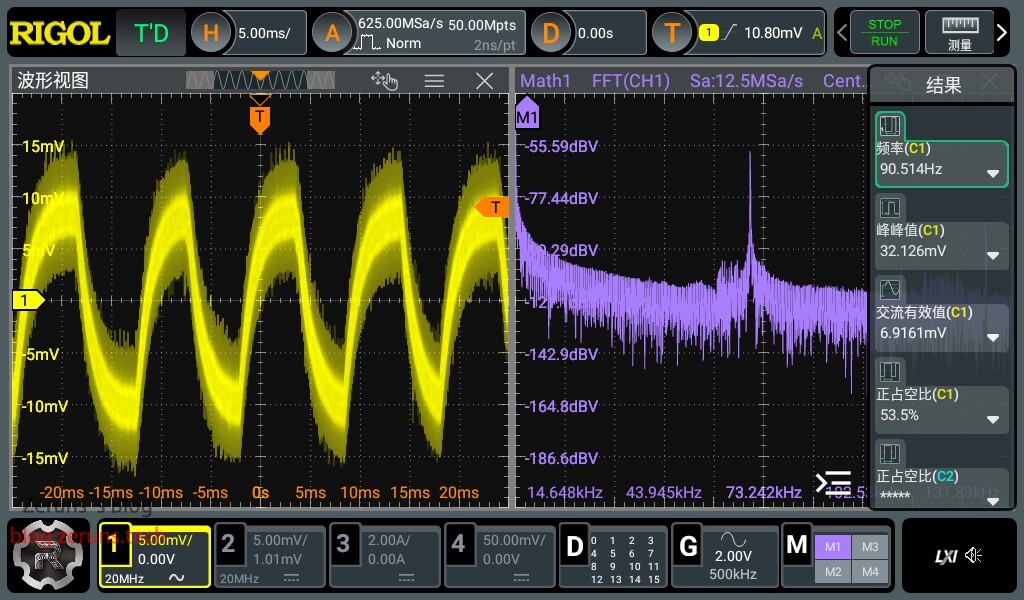
The ripple peak-to-peak value at 12V no-load output is around 32mV:
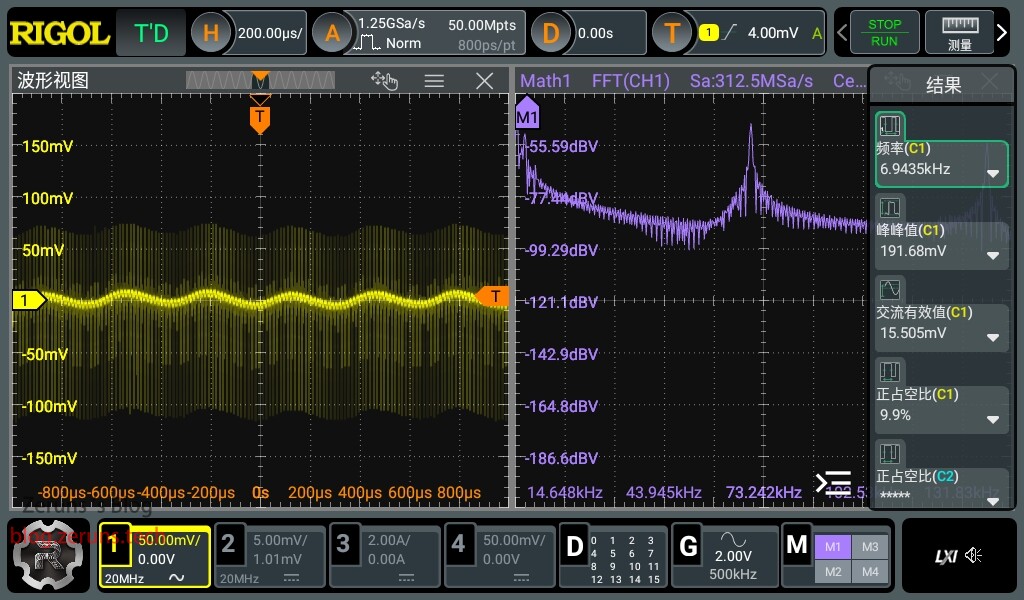
The ripple peak-to-peak value at 12V 10A no-load output is around 191mV:
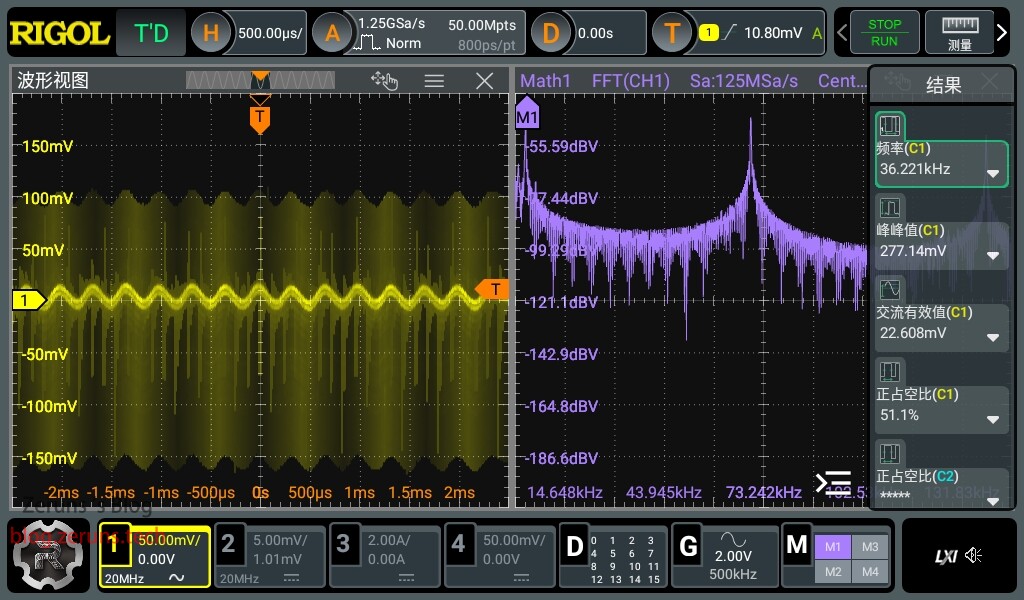
The ripple peak-to-peak value at 12V 15A output is around 277mV:
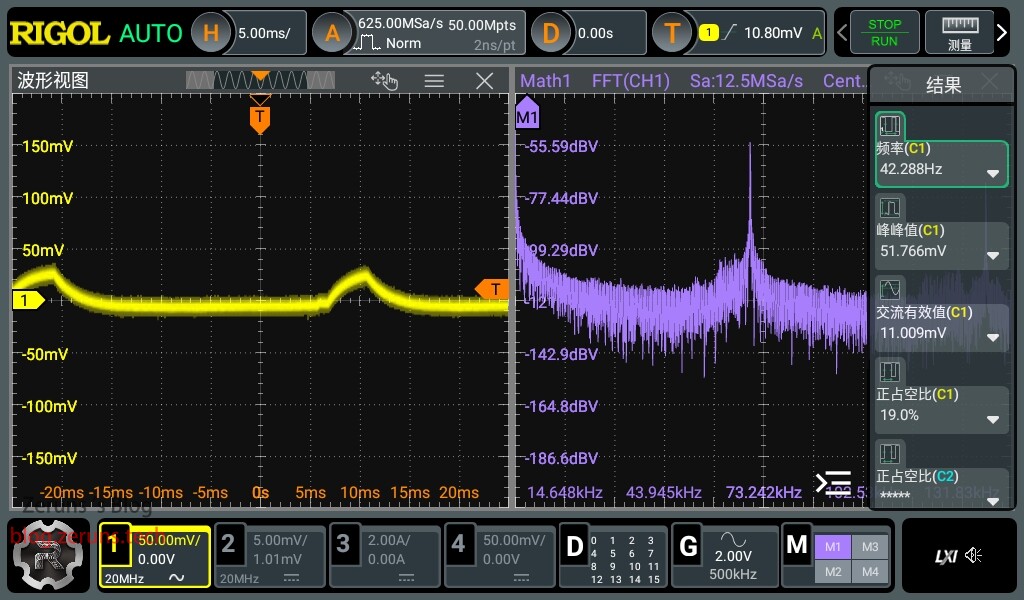
The ripple peak-to-peak value at 36V no-load output is around 51mV:
![]()
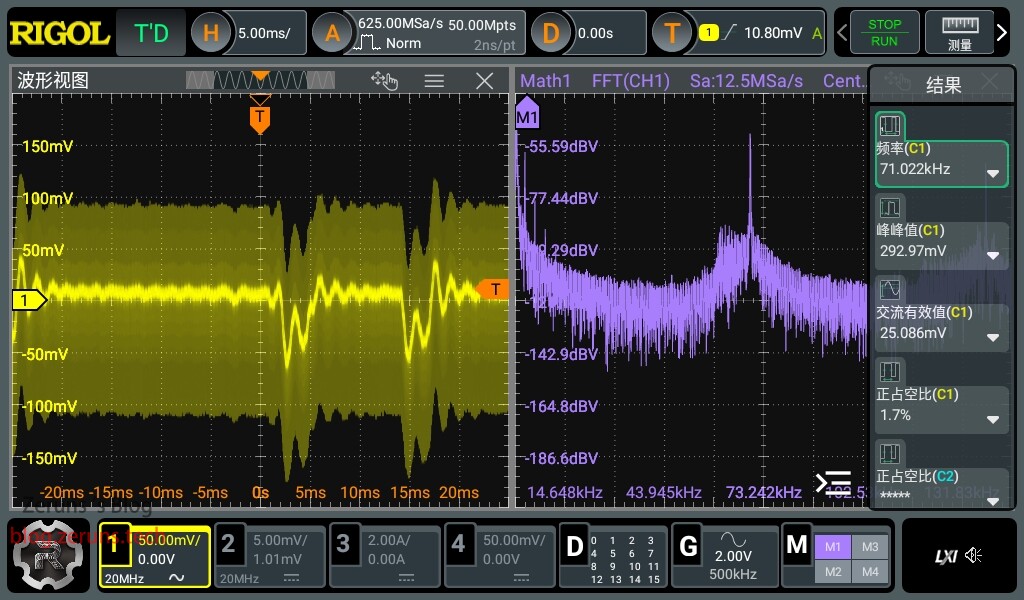
The ripple peak-to-peak value at 36V 3A output is around 292mV:
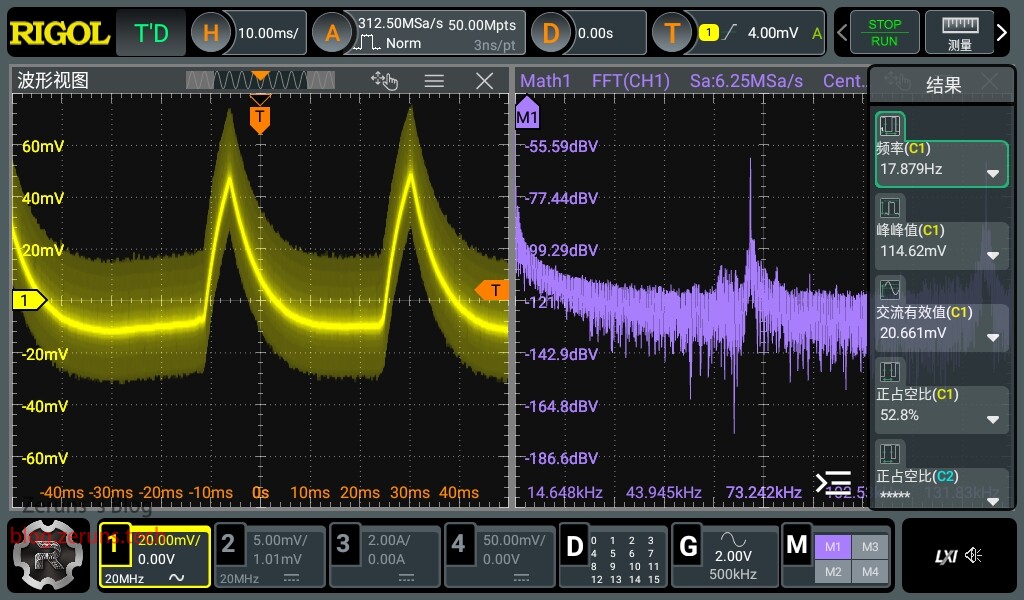
The ripple peak-to-peak value at 60V no-load output is around 114mV:
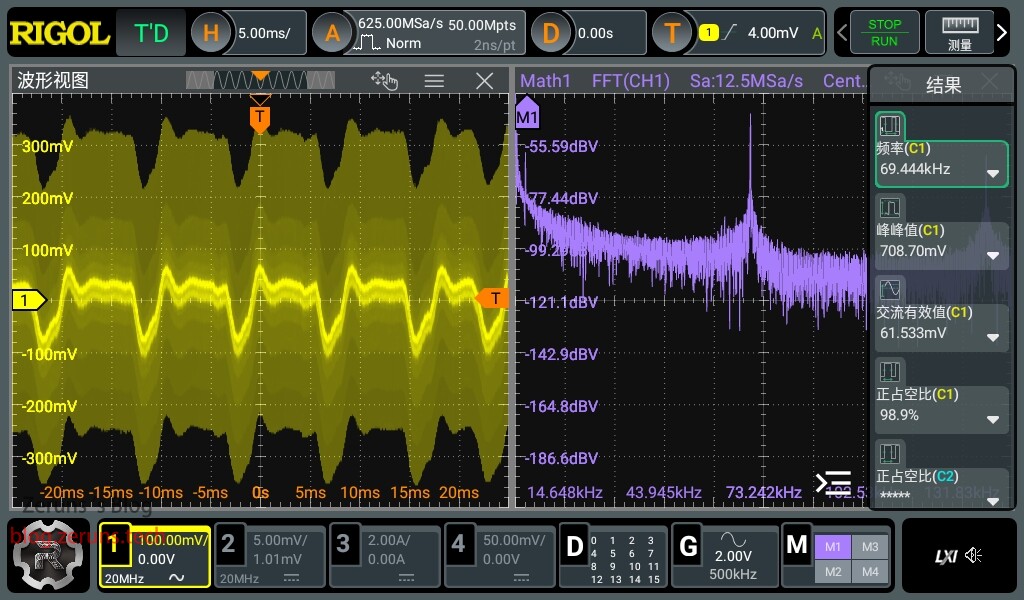
The ripple peak-to-peak value at 60V 3A output is around 708mV:
Schematic
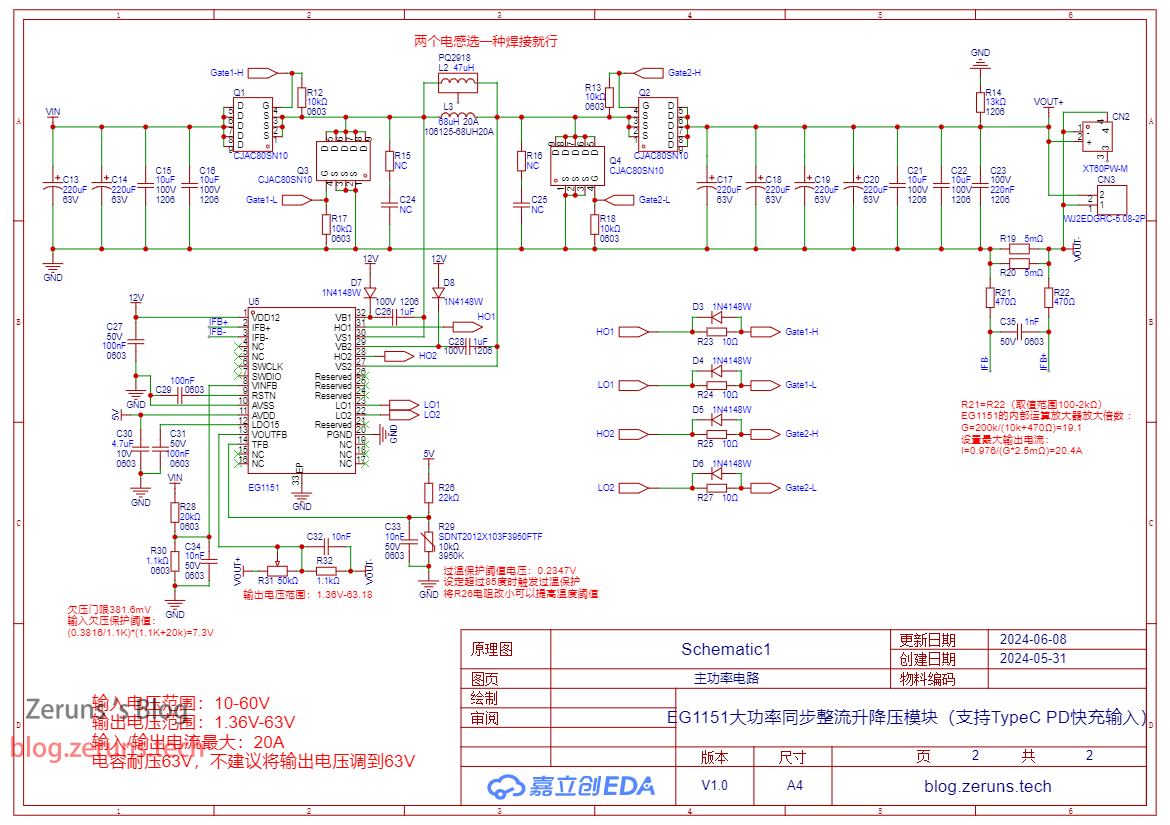
Main power circuit:
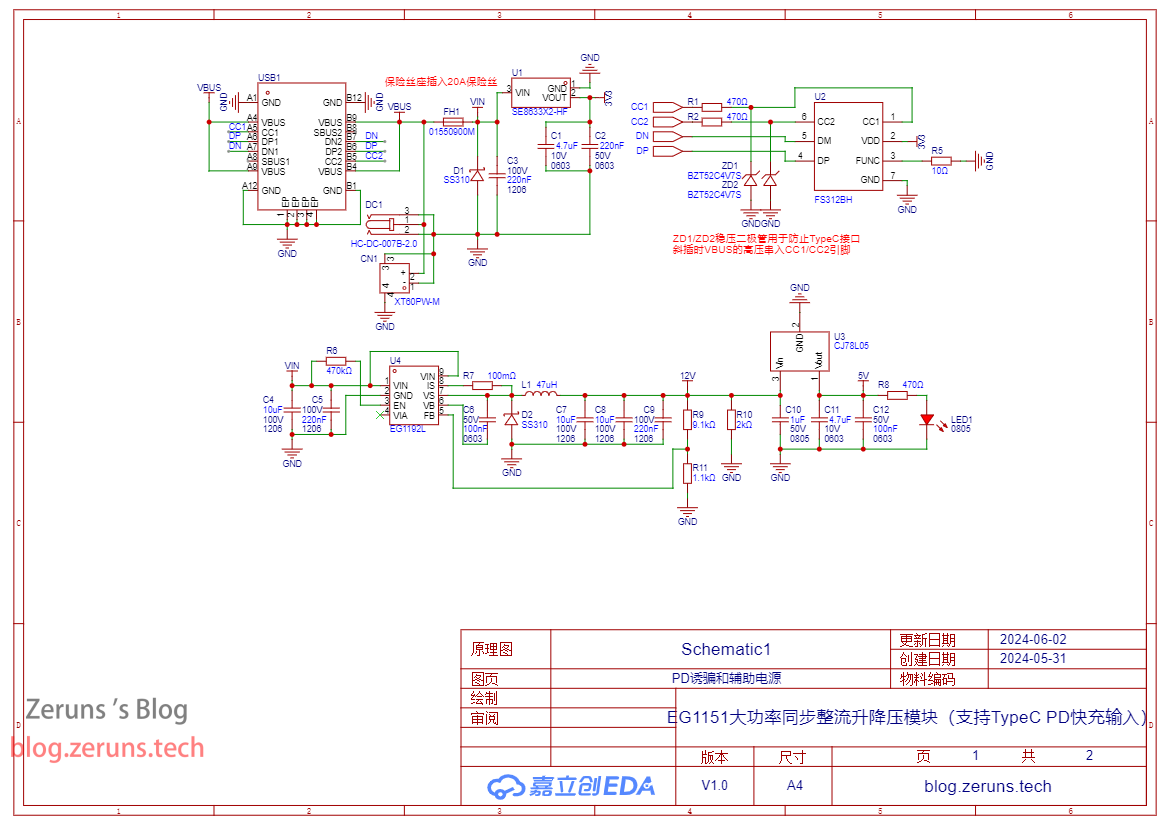
PD deception and auxiliary power circuit:
PCB
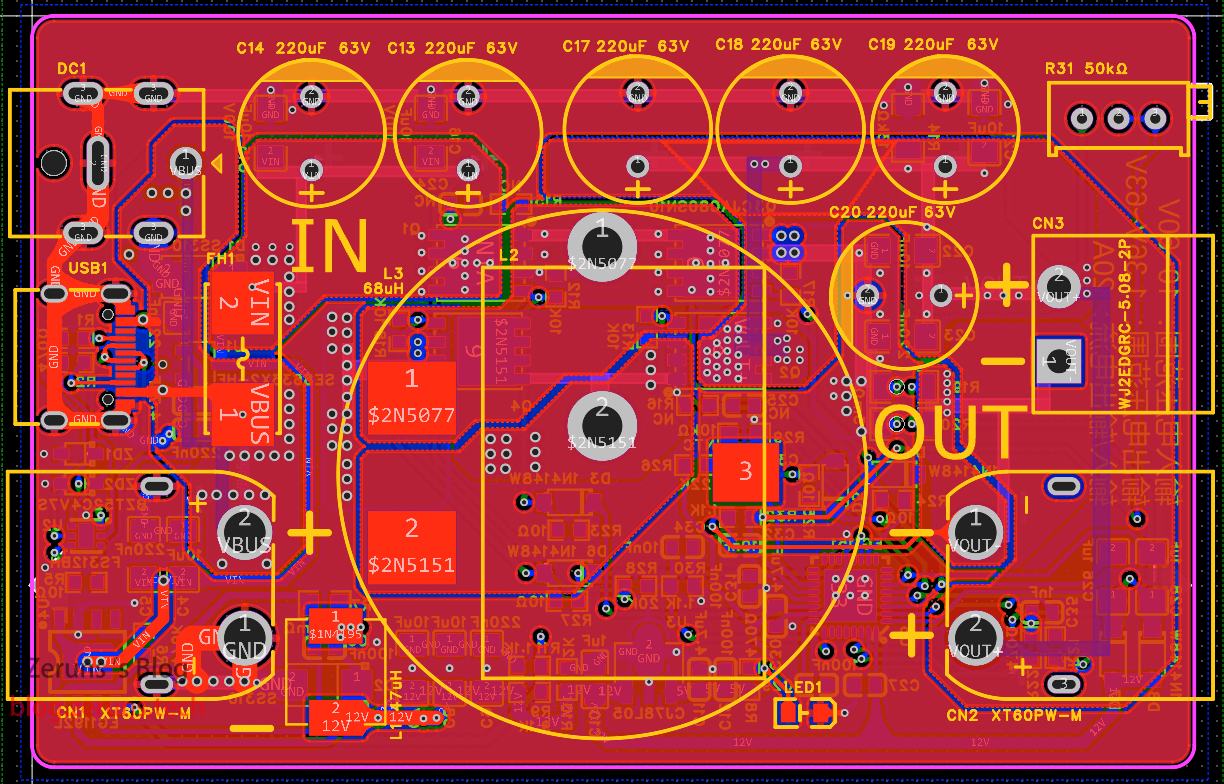
Top layer:
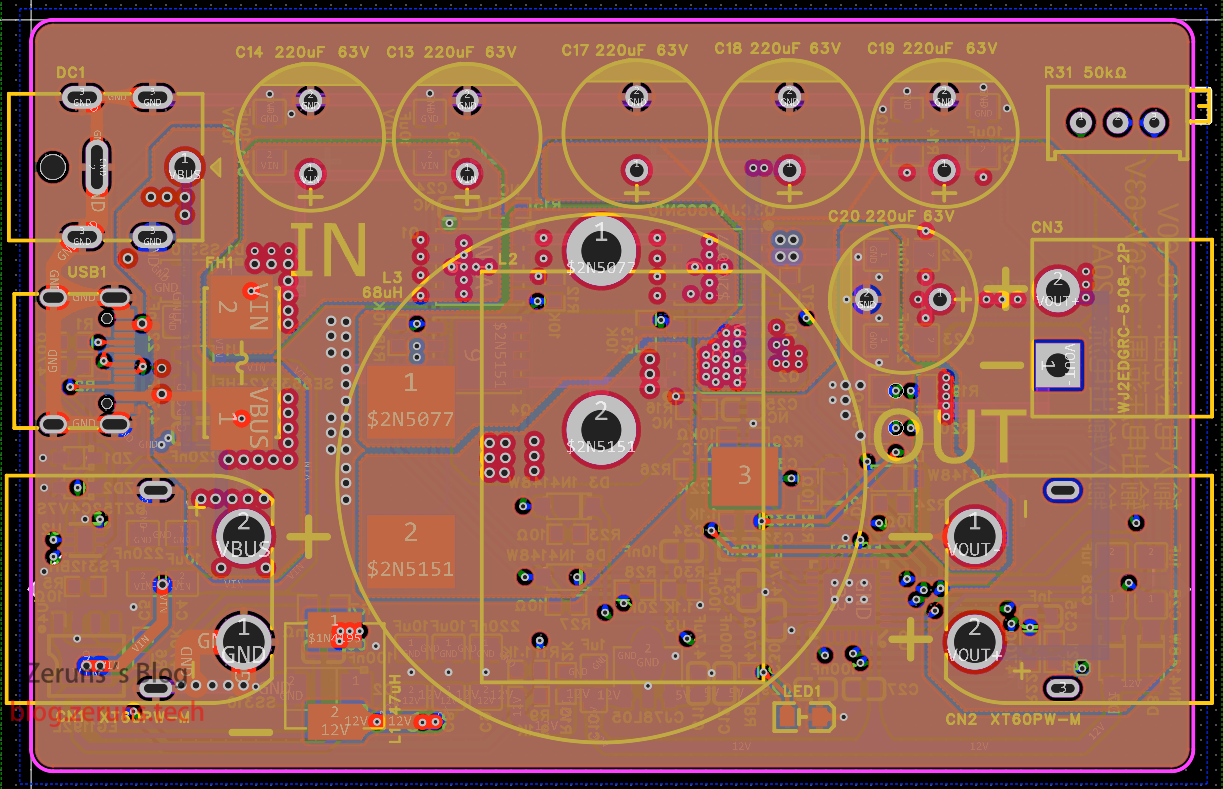
Inner layer 1:
Inner layer 2:
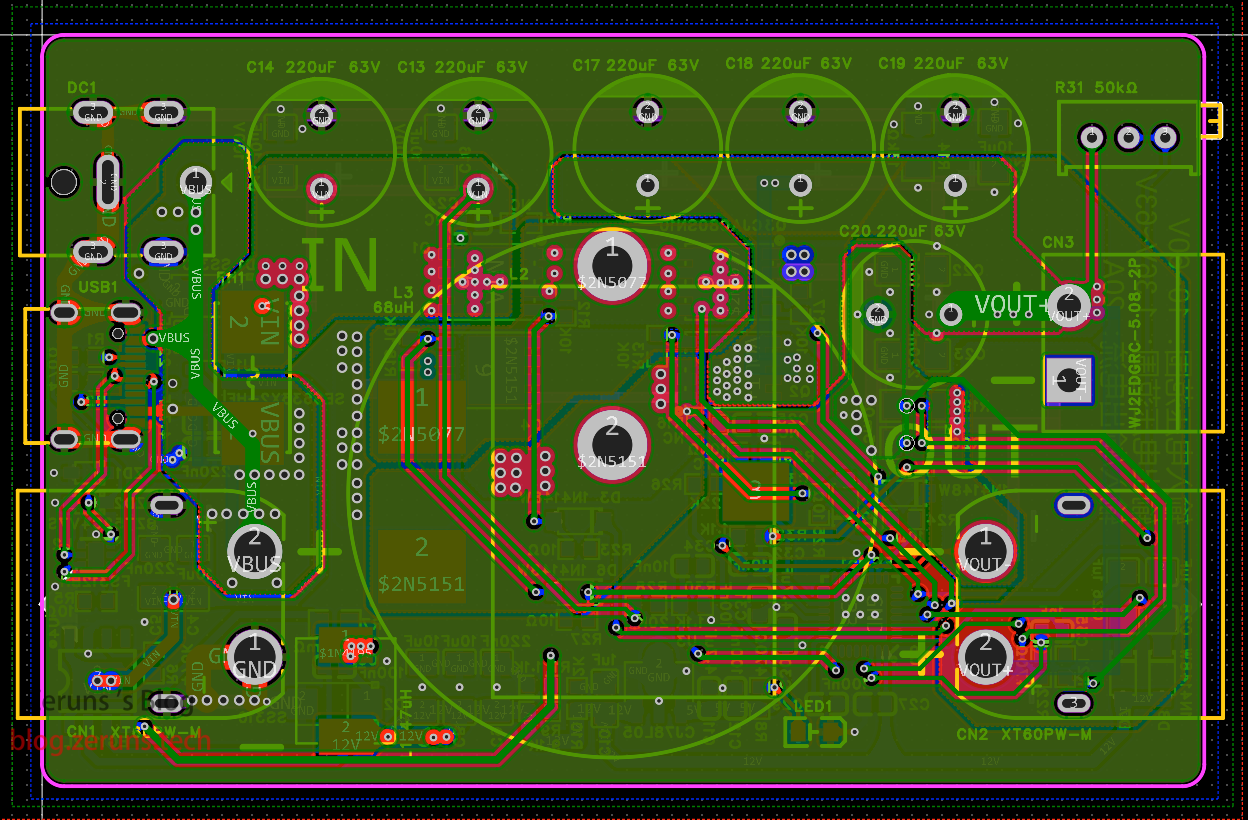
Bottom layer:
Component Purchase Links
Most of the components used in this project can be purchased from the links here:- 0603 Resistor and Capacitor Sample Book: https://s.click.taobao.com/SXT7pkt
- Type-C Female Connector 16P: https://s.click.taobao.com/vjLRskt
- EG1151 Chip: https://s.click.taobao.com/le3gAkt
- EG1192L Chip: https://s.click.taobao.com/pG2gAkt
- CJAC80SN10 MOS Transistor: https://s.click.taobao.com/aPsWWlt
- XT60PW Connector: https://s.click.taobao.com/6jZ7pkt
- Flat Wire Inductor PQ2918 47μH: https://s.click.taobao.com/RDuLHkt
- Toroidal Inductor Horizontal 68μH 20A: https://s.click.taobao.com/8JHHcjt
- Aluminum Alloy Enclosure: https://s.click.taobao.com/fYK0zbt
It is recommended to purchase components at LCSC: https://activity.szlcsc.com/invite/D03E5B9CEAAE70A4.html
In the BOM table in the LCSC open source link, click “Place Order at LCSC Now” to import all the components you need into your shopping cart with one click.
Resource Download
The download links below contain: LCSC EDA projects, schematic PDF files, datasheets for all the chips used, and 3D model files for the enclosure.
Baidu Netdisk download link: https://pan.baidu.com/s/1gNl48K25p6Pr3gi9lsyMAg?pwd=tmsv Extraction code: tmsv
123 Cloud Disk download link: https://www.123pan.com/s/2Y9Djv-r3tvH.html Extraction code: 0cGK
If you find this useful, you can tip me through the 123 Cloud Disk link above. If you’re reading this on WeChat (Official Account: zeruns-gzh), you can also click “Like Author” at the bottom of the article to tip me. Thank you.
Other Recommended Open Source Projects- Created an open-source three-phase power meter for convenient monitoring of home electricity usage: https://blog.zeruns.com/archives/771.html
- LVGL project template based on STM32F407 (MSP3526 screen), including FreeRTOS version and bare-metal version: https://blog.zeruns.com/archives/788.html
- Open-source synchronous rectification Buck-Boost digital power supply based on STM32: https://blog.zeruns.com/archives/791.html
- LM25118 automatic buck-boost adjustable DCDC power module: https://blog.zeruns.com/archives/727.html
- Open-source EG1164 high-power synchronous rectification boost module with up to 97% efficiency: https://blog.zeruns.com/archives/730.html
- 4G environmental monitoring node based on Hezhou Air700E (temperature, humidity, atmospheric pressure data), uploaded to Alibaba Cloud IoT platform via MQTT: https://blog.zeruns.com/archives/747.html
- Open-source intelligent electronic load based on CH32V307, embedded competition project: https://blog.zeruns.com/archives/785.html
Recommended Reading
- Recommendations for cost-effective and affordable VPS/cloud servers: https://blog.zeruns.com/archives/383.html
- Minecraft server setup tutorial: https://blog.zeruns.com/tag/mc/
- Build a blog website without code! Ultra-detailed personal blog setup tutorial: https://blog.zeruns.com/archives/783.html
- Intranet penetration server setup tutorial, NPS setup and usage guide: https://blog.zeruns.com/archives/741.html
- Rainyun Ningbo 8272CL high-bandwidth DDoS-protected cloud server performance review, up to 500Mbps bandwidth and 1TB cloud storage: https://blog.zeruns.com/archives/789.html
- Douyin Mall 2.6 yuan 120W charger test and teardown: https://blog.zeruns.com/archives/786.html