ZTE F7015TV3 2.5G Optical Modem Teardown
I followed the trend and recently switched to the popular F7015TV3 optical modem, attracted by its 2.5G port, compact size, low power consumption, and lack of Wi-Fi. It supports both XGPON and XEPON.
In actual use, however, the device runs quite hot—over 74°C when placed in a cabinet (ambient temperature inside the cabinet was over 35°C). It would disconnect and reboot every few minutes. After adding a cooling fan, the temperature dropped to around 52°C, after which it stabilized. My previous Huawei ONT could run stably even above 80°C.
Speed tests can fully utilize my gigabit broadband, reaching about 1200 MBps (the ISP reserves some bandwidth for management). In my area, 2000 Mbps broadband is available, but it’s too expensive so I didn’t upgrade.
- 2.5G ONT purchase link: https://s.click.taobao.com/4cZCQjt
- VSOL 2.5G Optical Modem: https://s.click.taobao.com/QKq65kt
QQ Group for Electronics / Microcontroller Technology Exchange: 2169025065
Exterior Photos
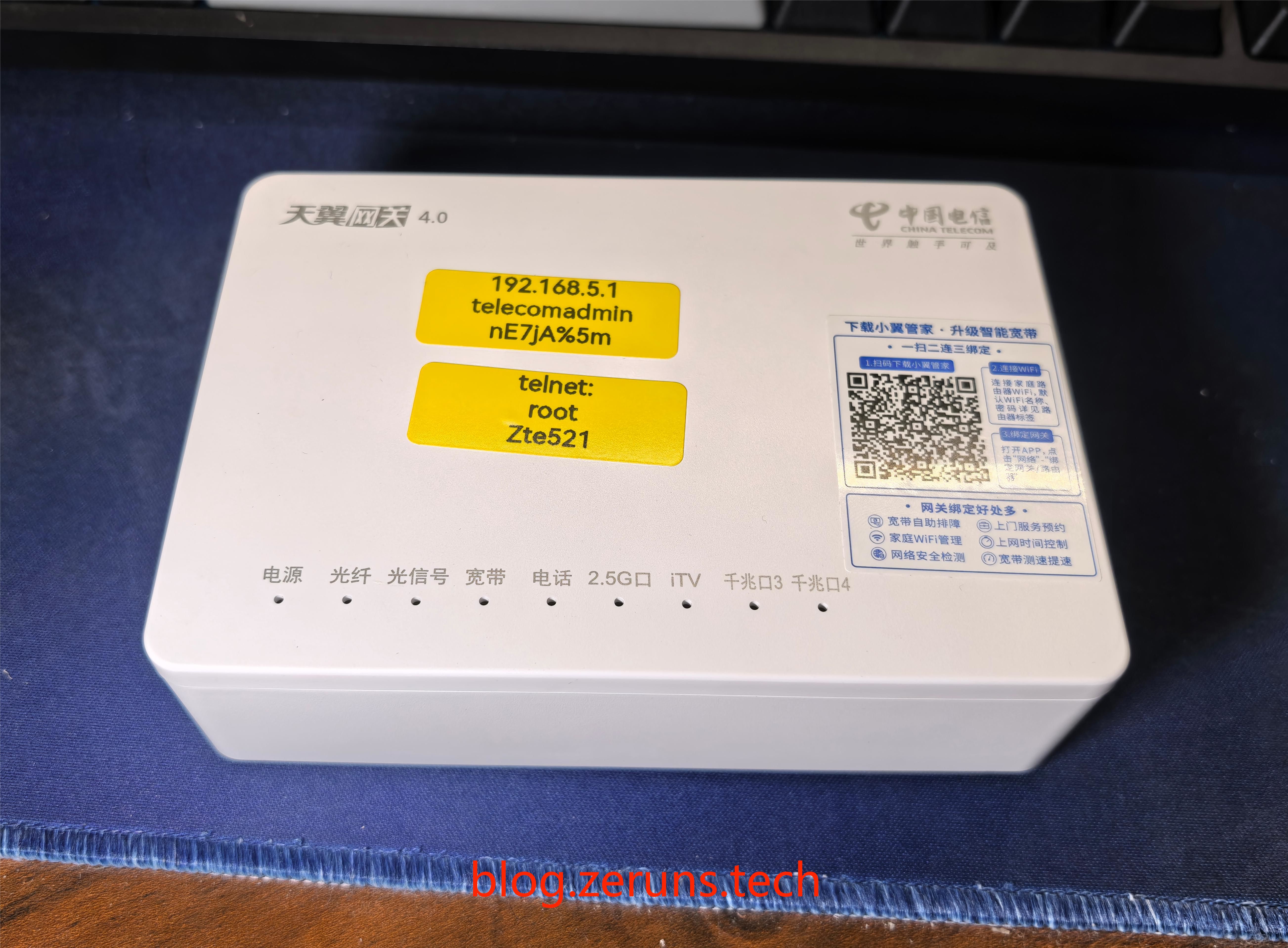
Front view
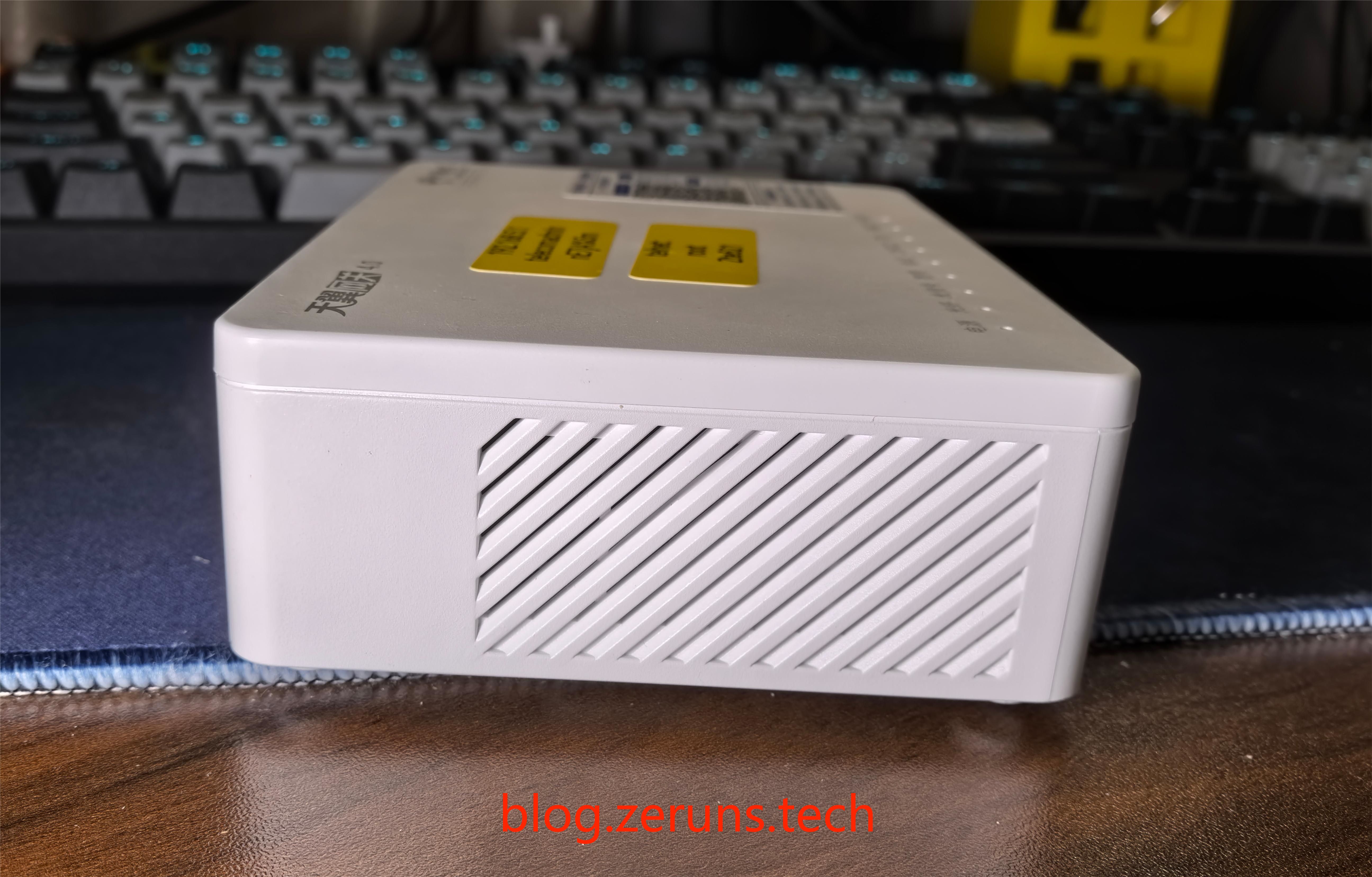
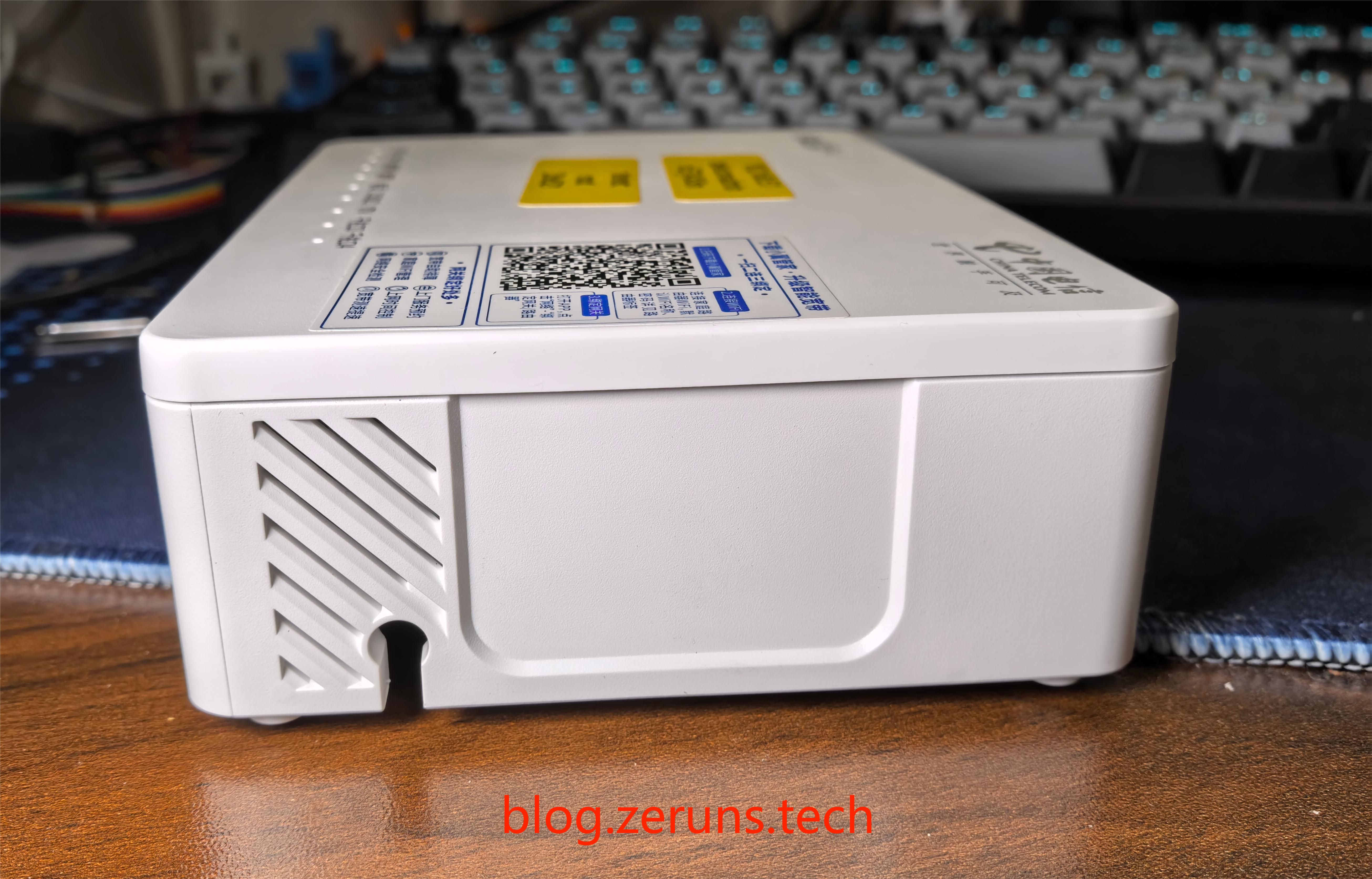
Side views
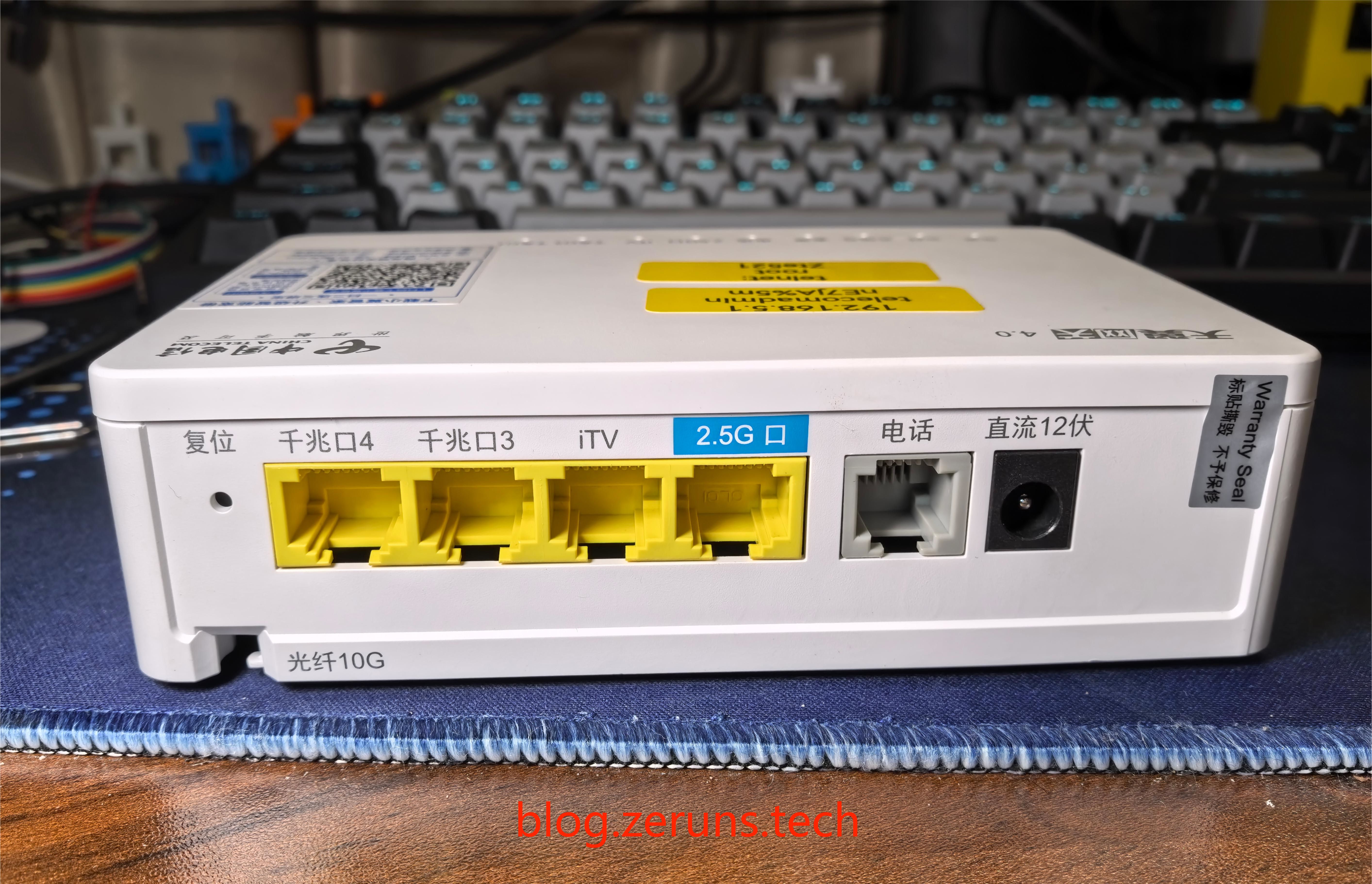
Back panel interfaces: one 2.5G port, one IPTV port, two Gigabit Ethernet ports, and one telephone line interface.
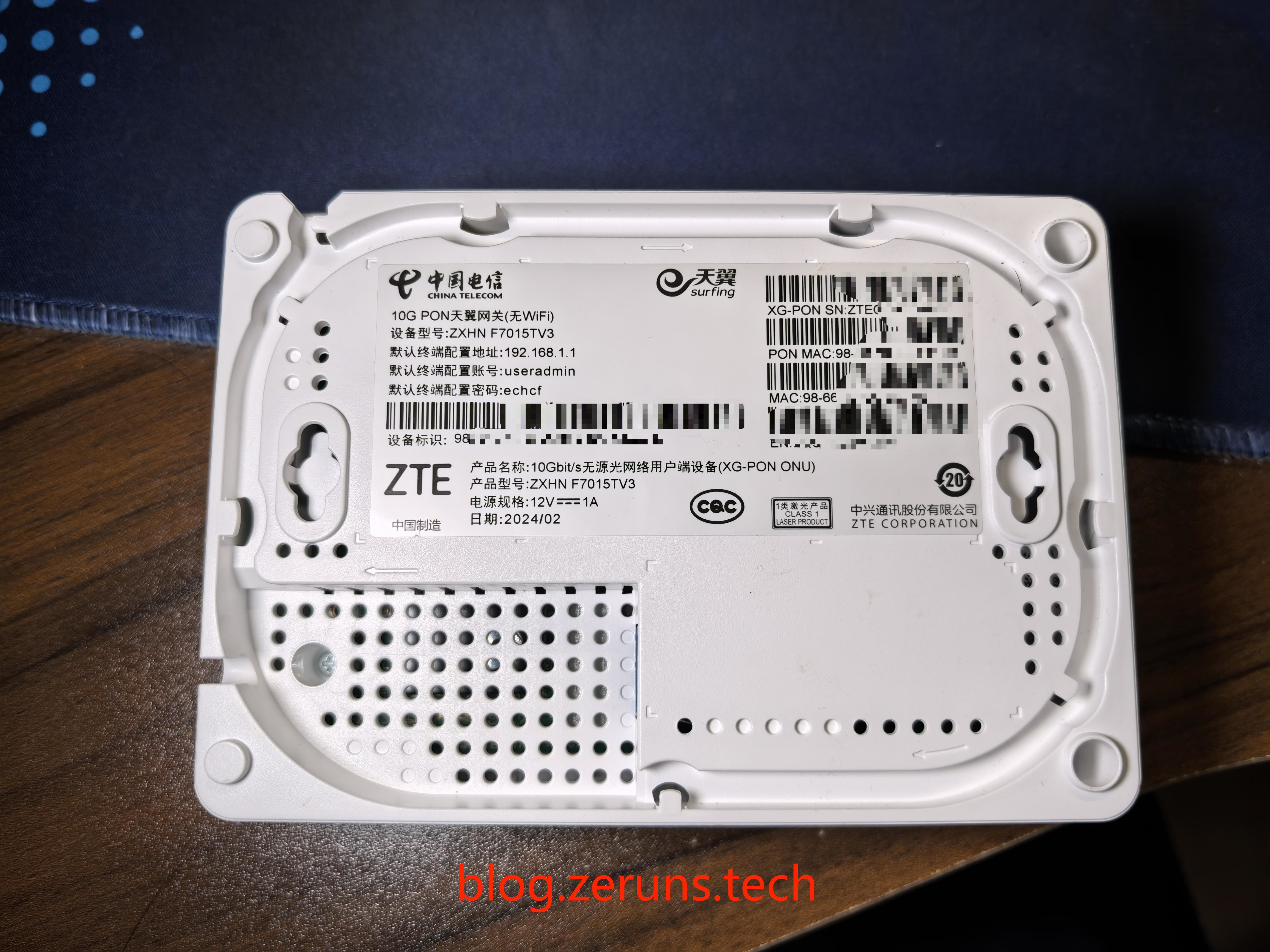
Bottom view showing device information label and SC fiber optic port.
Label details:
- Product Name: 10Gbit/s Passive Optical Network Terminal Equipment (XG-PON ONU)
- Model: ZXNH F7015TV3
- Power Supply: 12V 1A
- Date: 2024/02
- Default Configuration Address: 192.168.1.1
- Default Username: useradmin
- Default Password: echcf
Installed inside a cabinet:
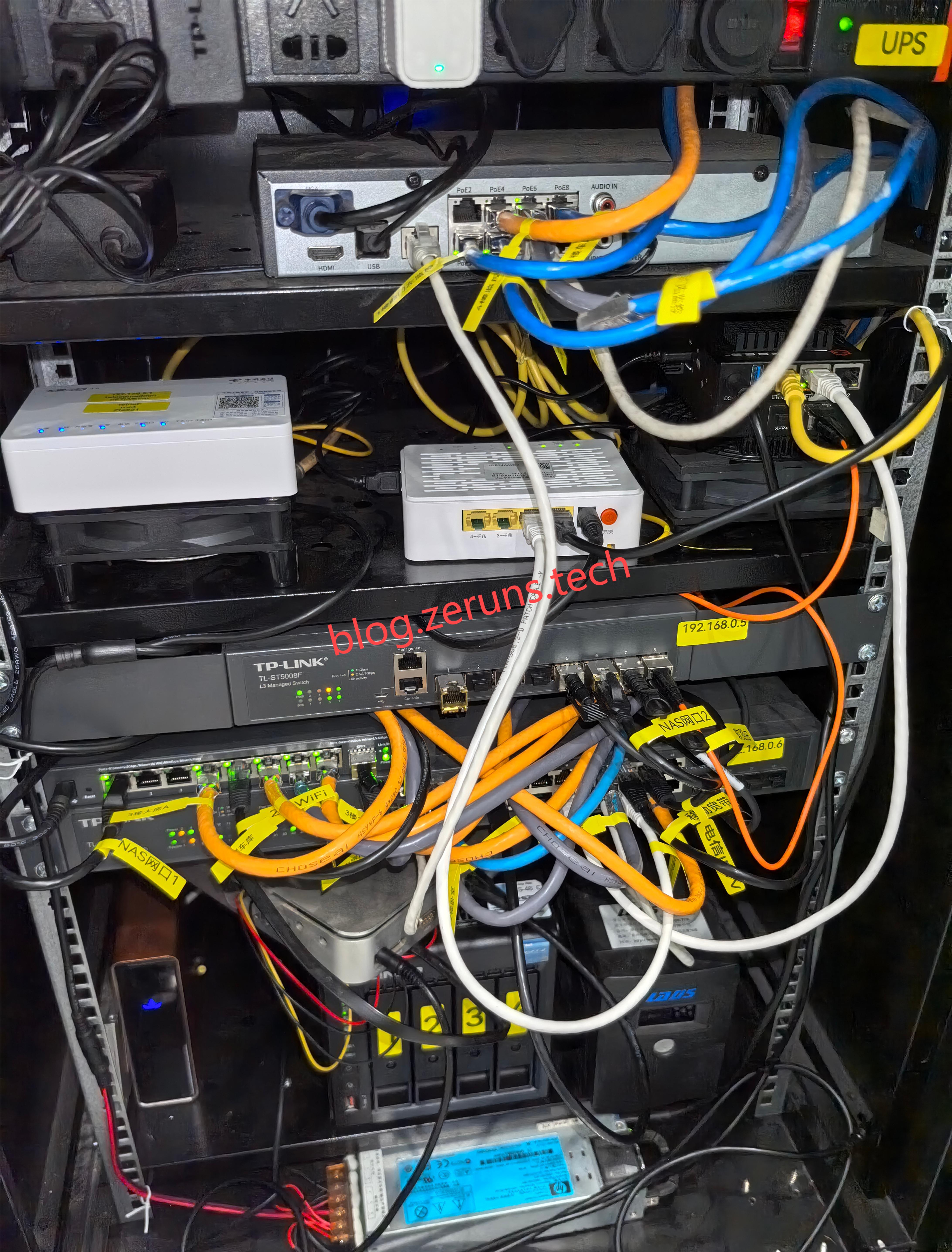
Unboxing review of the 2.5G switch TL-SE2109: https://blog.zeruns.com/archives/780.html
Unboxing review of the WiFi7 router TL-7DR6560: https://blog.zeruns.com/archives/753.html
Unboxing and basic review of the 10G switch TL-SH5428: https://blog.zeruns.com/archives/707.html
Internal Teardown Photos
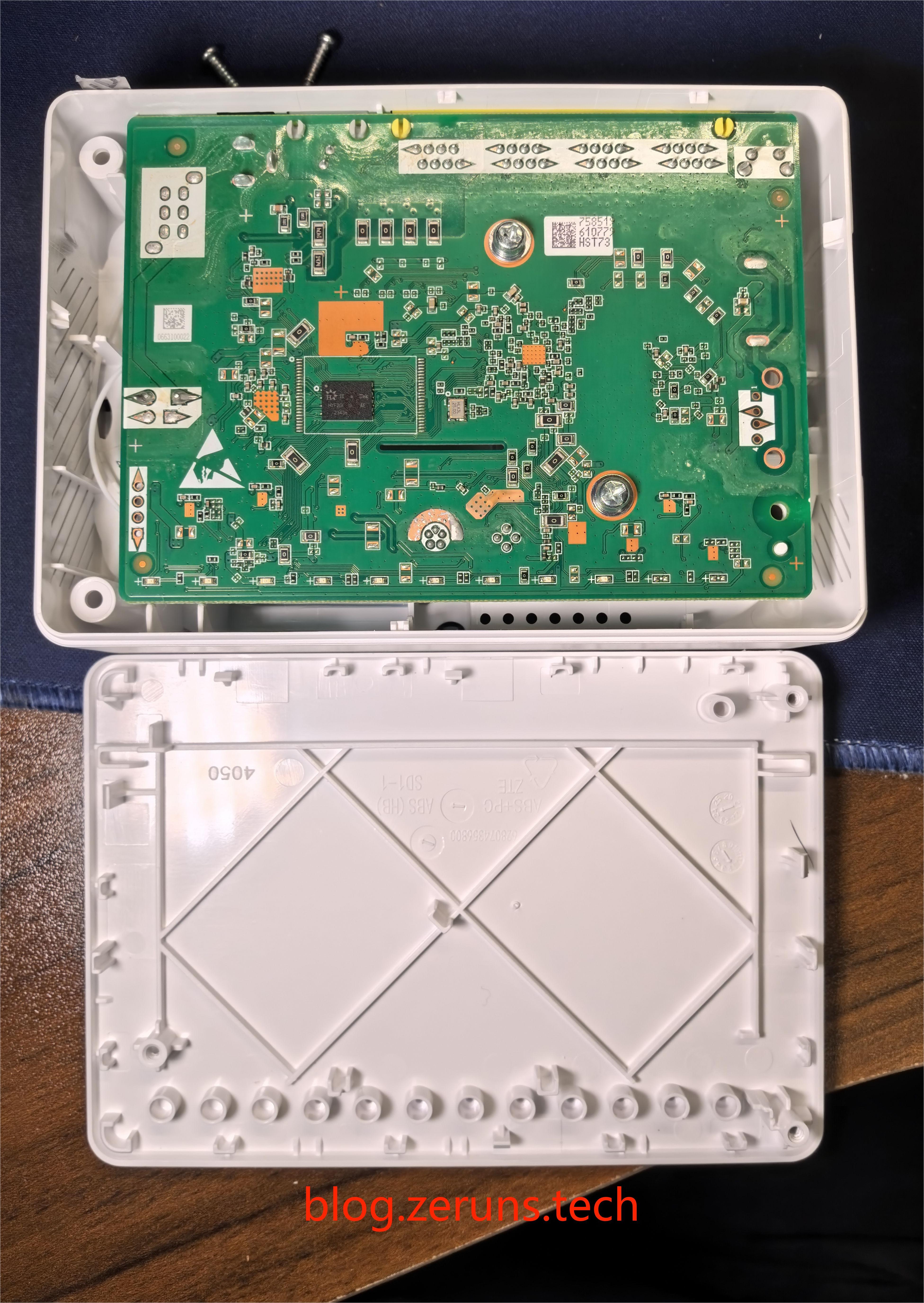
After removing the top cover, the bottom side of the PCB is visible. There’s a chip labeled HYF2G at the beginning—likely a NAND Flash chip from Jiangsu Yangheyang, used for firmware storage, with a capacity of 2 Gbit (256 MByte).
Flipping the board to the front side, we see an optical fiber extending from a shielded enclosure to the SC fiber port on the case—the shield likely houses the optical module. A large black heatsink is also present, indicating decent thermal design, yet the device still runs hot.
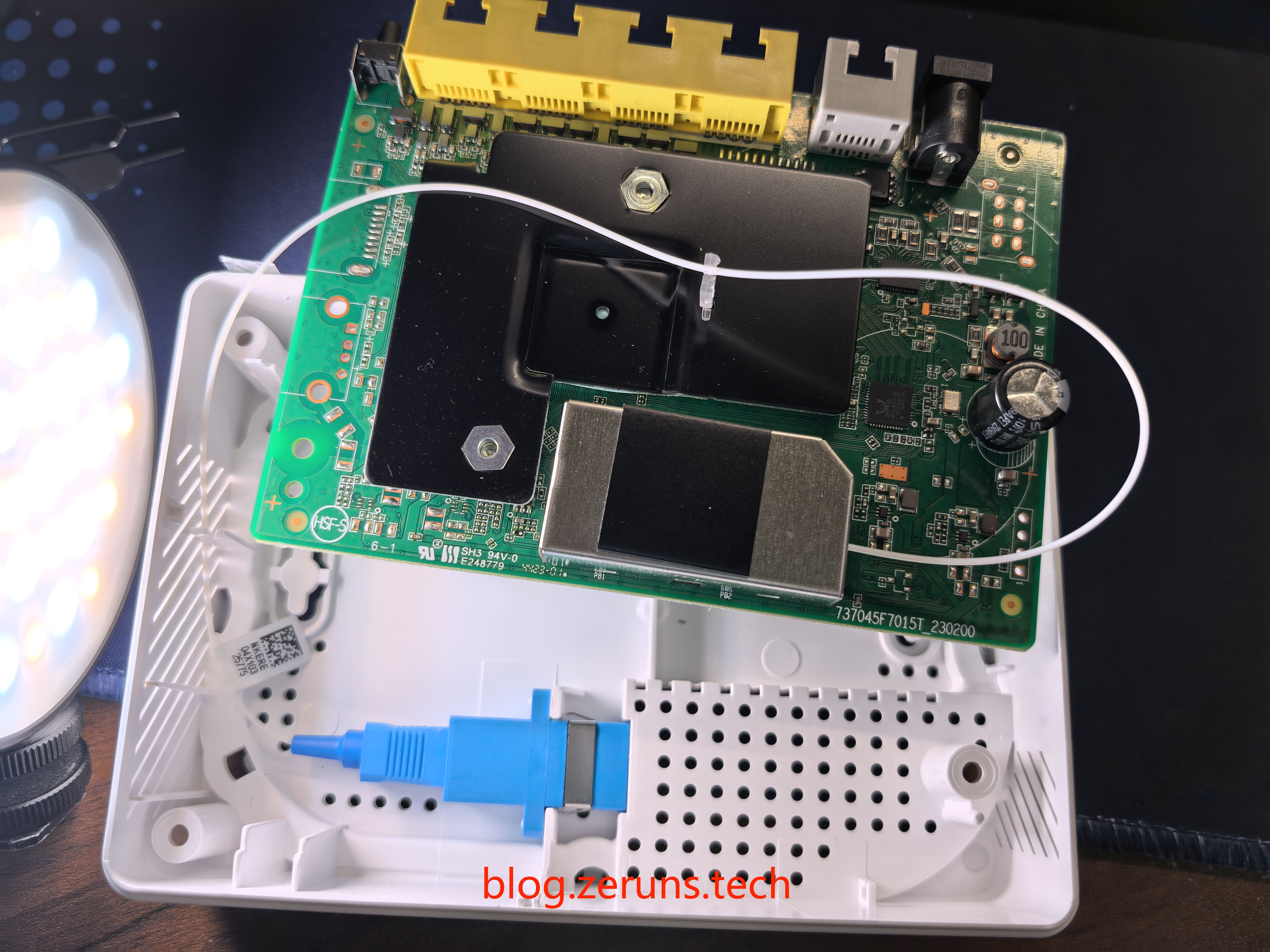
The largest chip in the center is the modem’s SoC: ZXIC ZX279133, a self-developed ZTE Microelectronics chip fabricated on SMIC’s 14nm process. It features a dual-core A53 CPU architecture and integrates a dual-core CPU with an eight-core NPU, forming a 10-core custom main processor.
To the right of the ZX279133 is a DDR3L memory chip from GigaDevice (GDP2BFLM-CB), with a capacity of 4 Gbit (512 MByte) and a speed of 1866 Mbps.
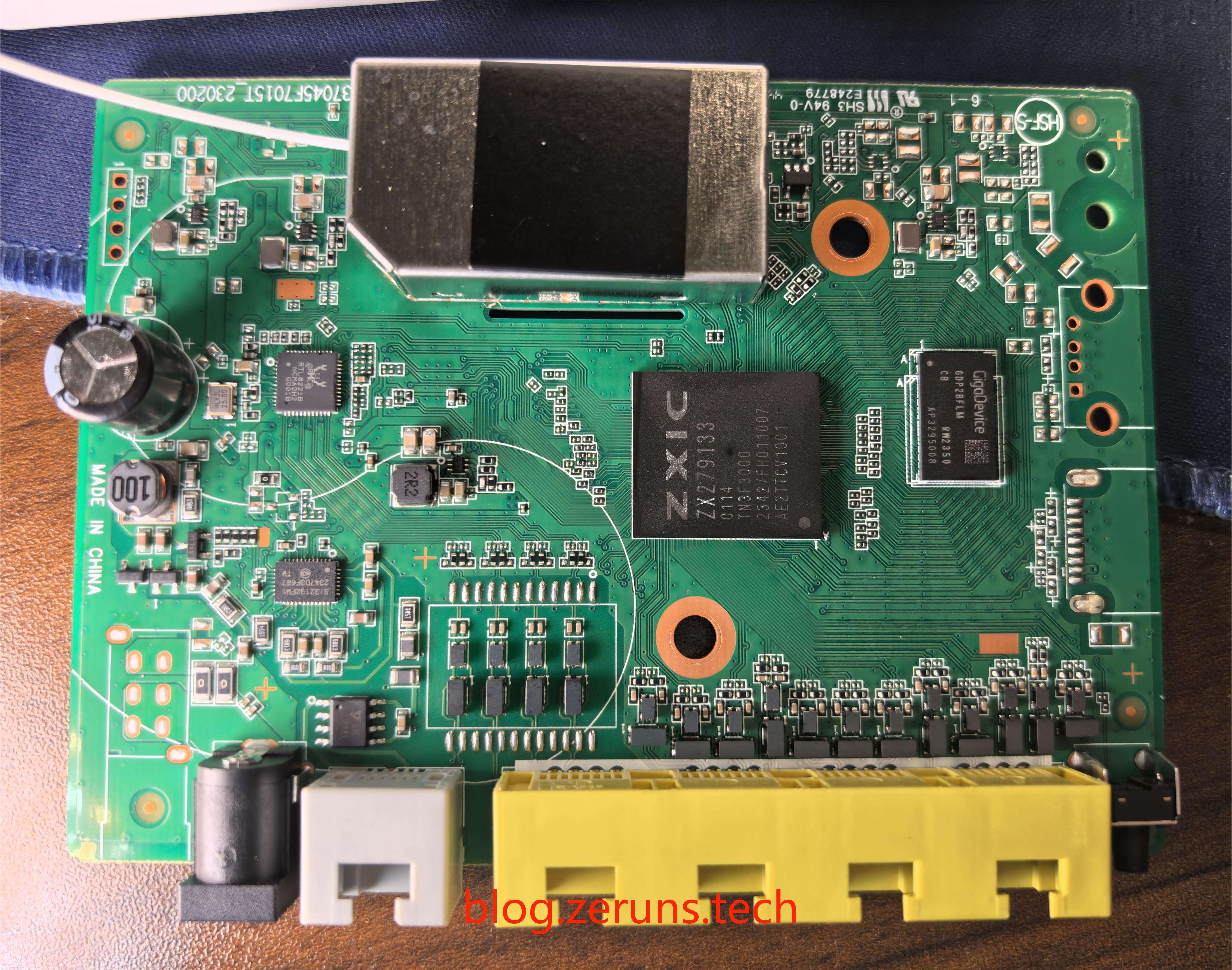
To the left is another chip labeled RTL8221B, likely the 2.5G PHY transceiver.
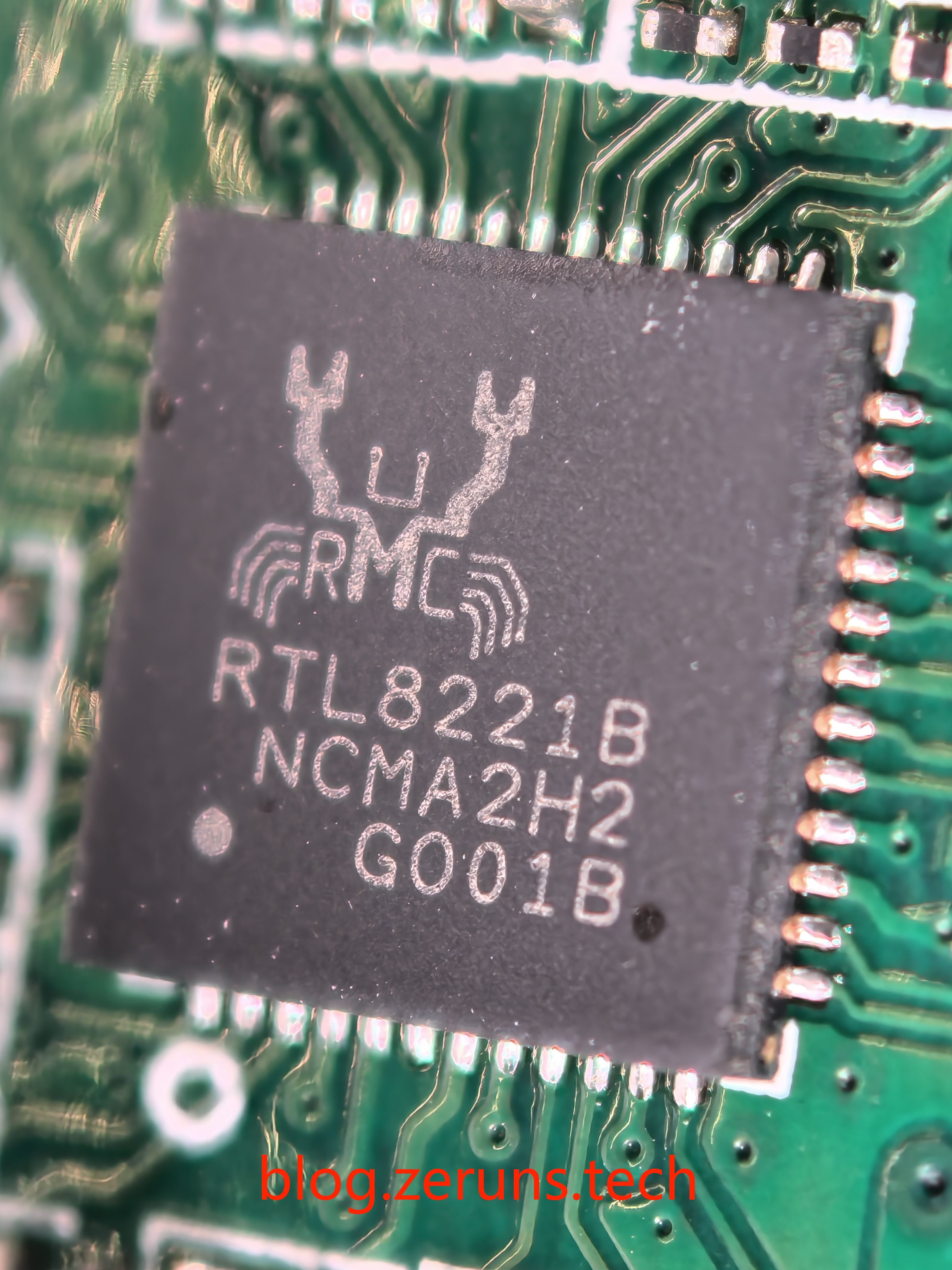
Below that is a chip labeled Si32192FM1, which should be the telephone interface controller.
The Si3219x series chips are high-performance single-channel FXS (Foreign Exchange Station) solutions produced by Skyworks Solutions, designed for VoIP gateways, routers, xDSL integrated access devices, optical network terminals, analog terminal adapters, cable eMTAs, wireless fixed terminals, wireless local loop systems, and WiMAX client devices. These chips integrate all essential BORSCHT functions (Battery feed, Overvoltage protection, Ringing, Supervision, Coding, Hybrid circuit, and Test) into a compact 4x6 mm 38-pin QFN package, providing a complete telephone interface solution compliant with global standards.
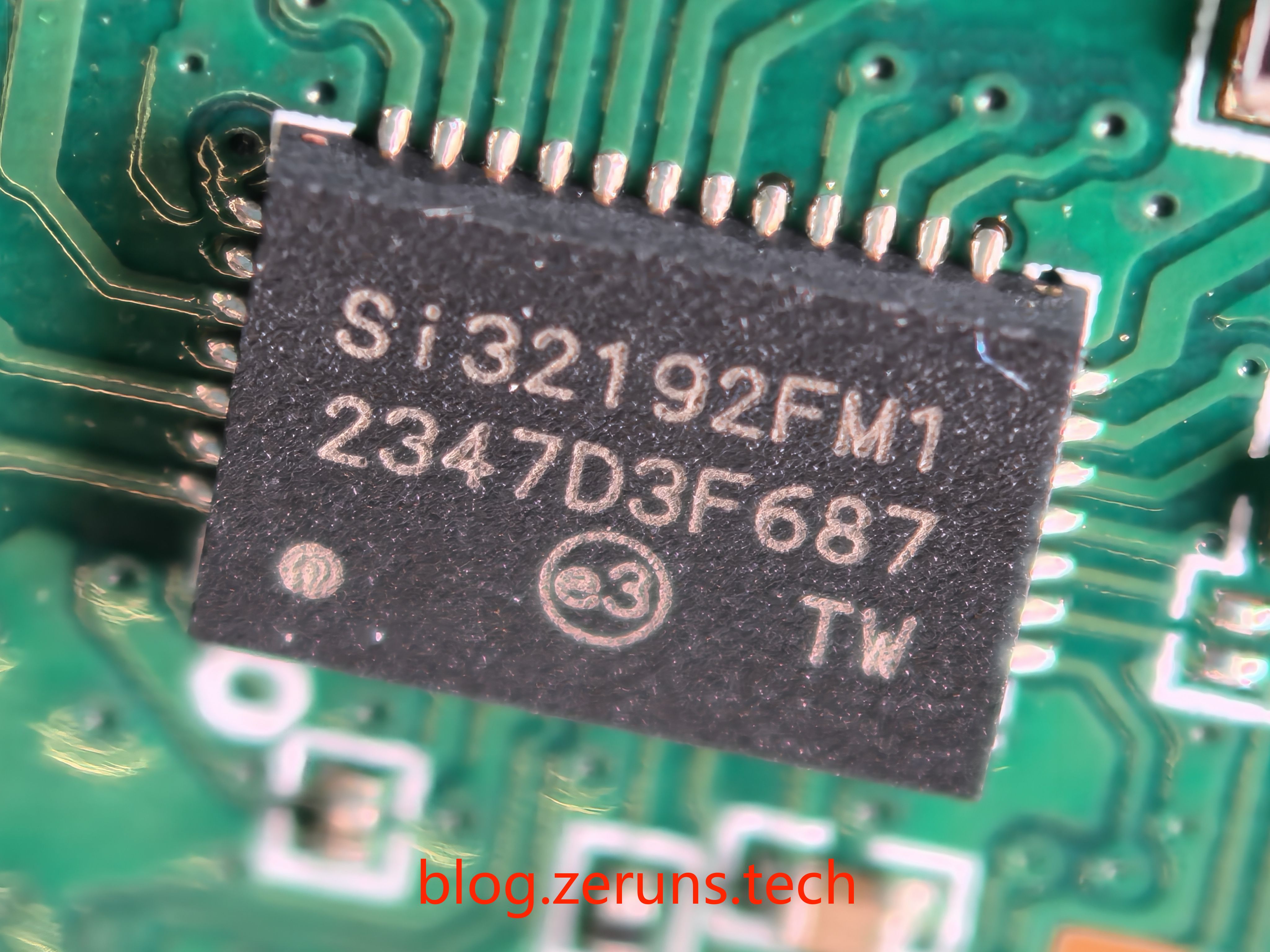
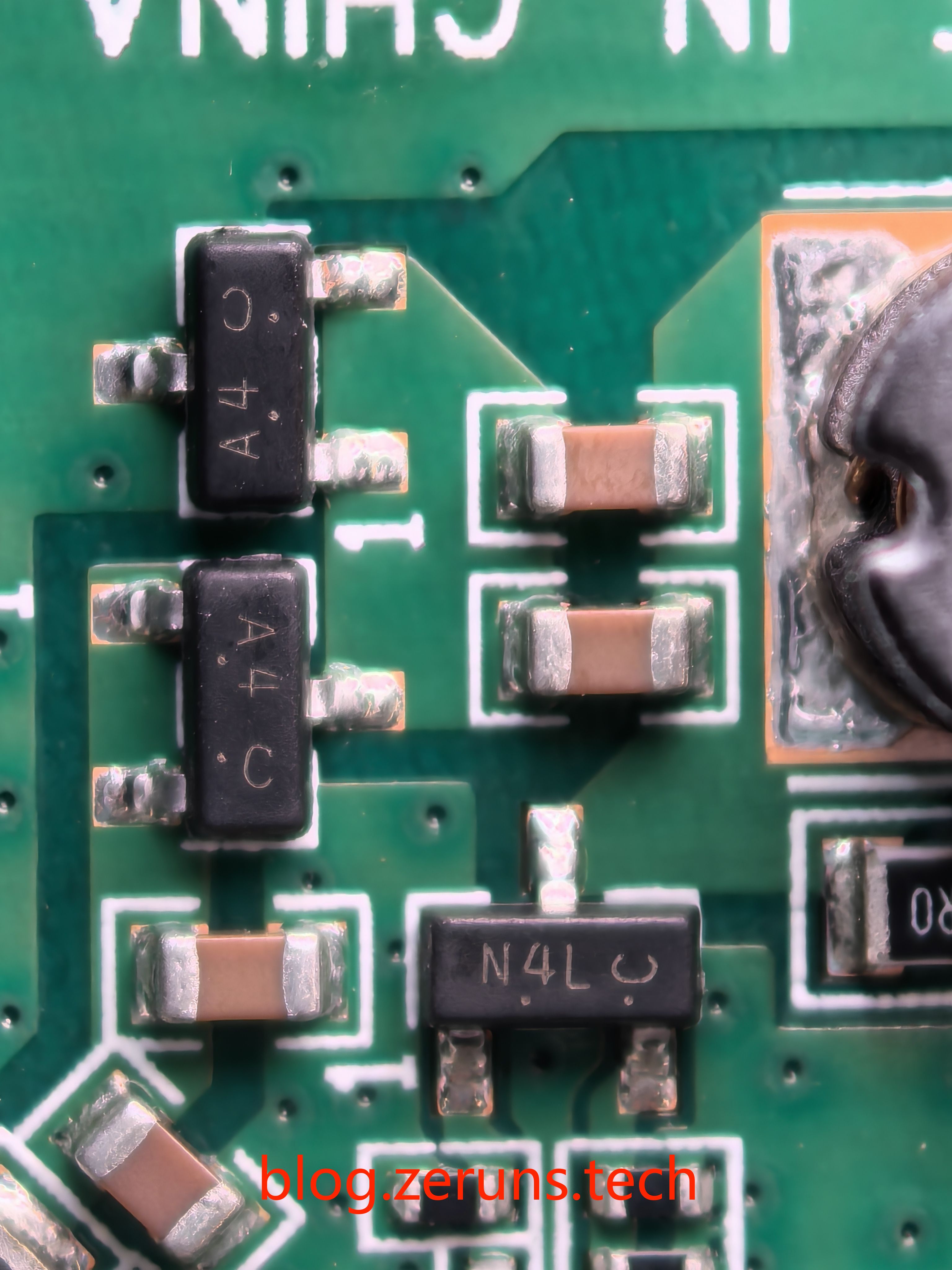
Near the phone port is another chip marked 69L2341, whose function is unknown due to lack of documentation.
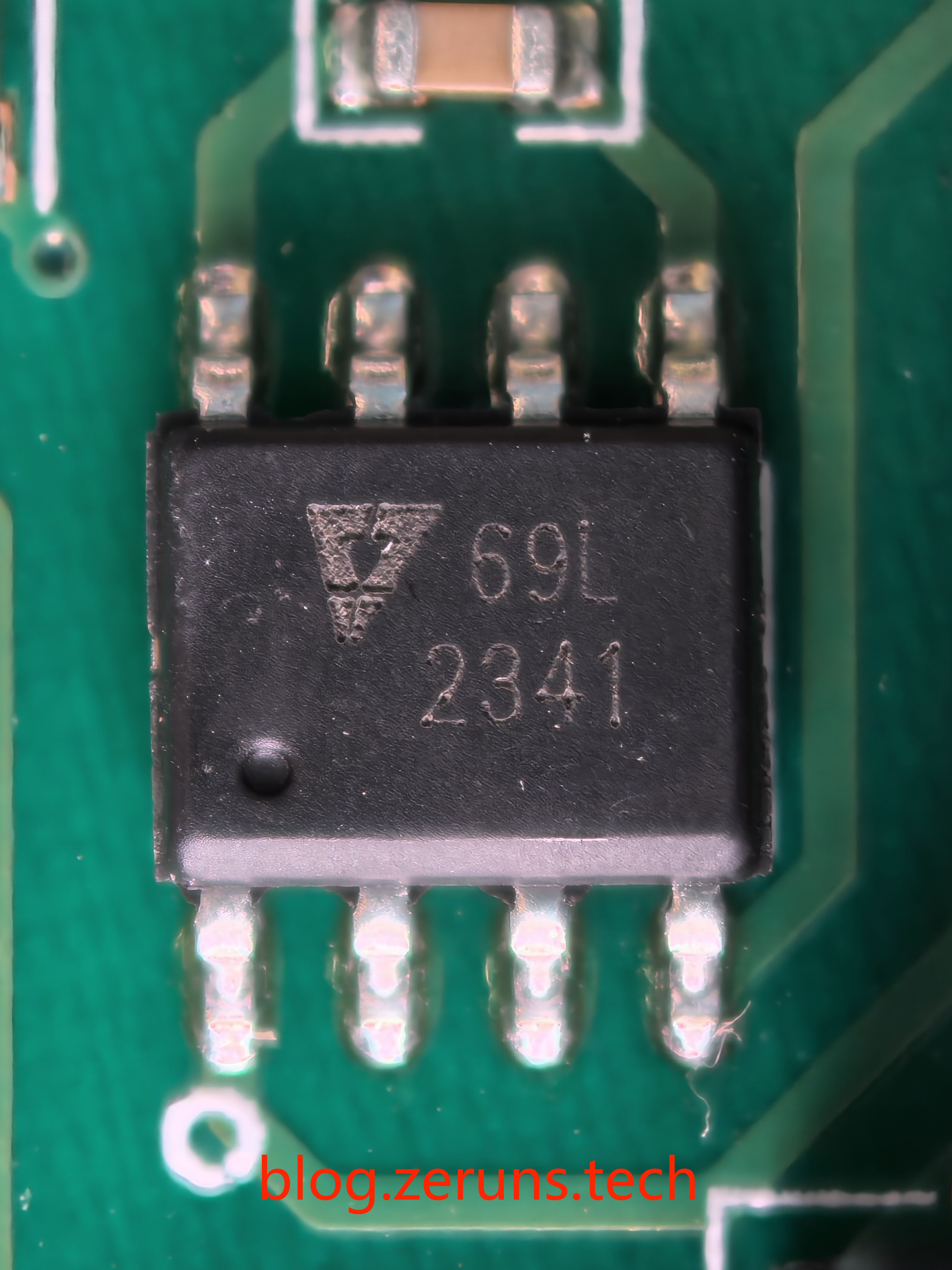
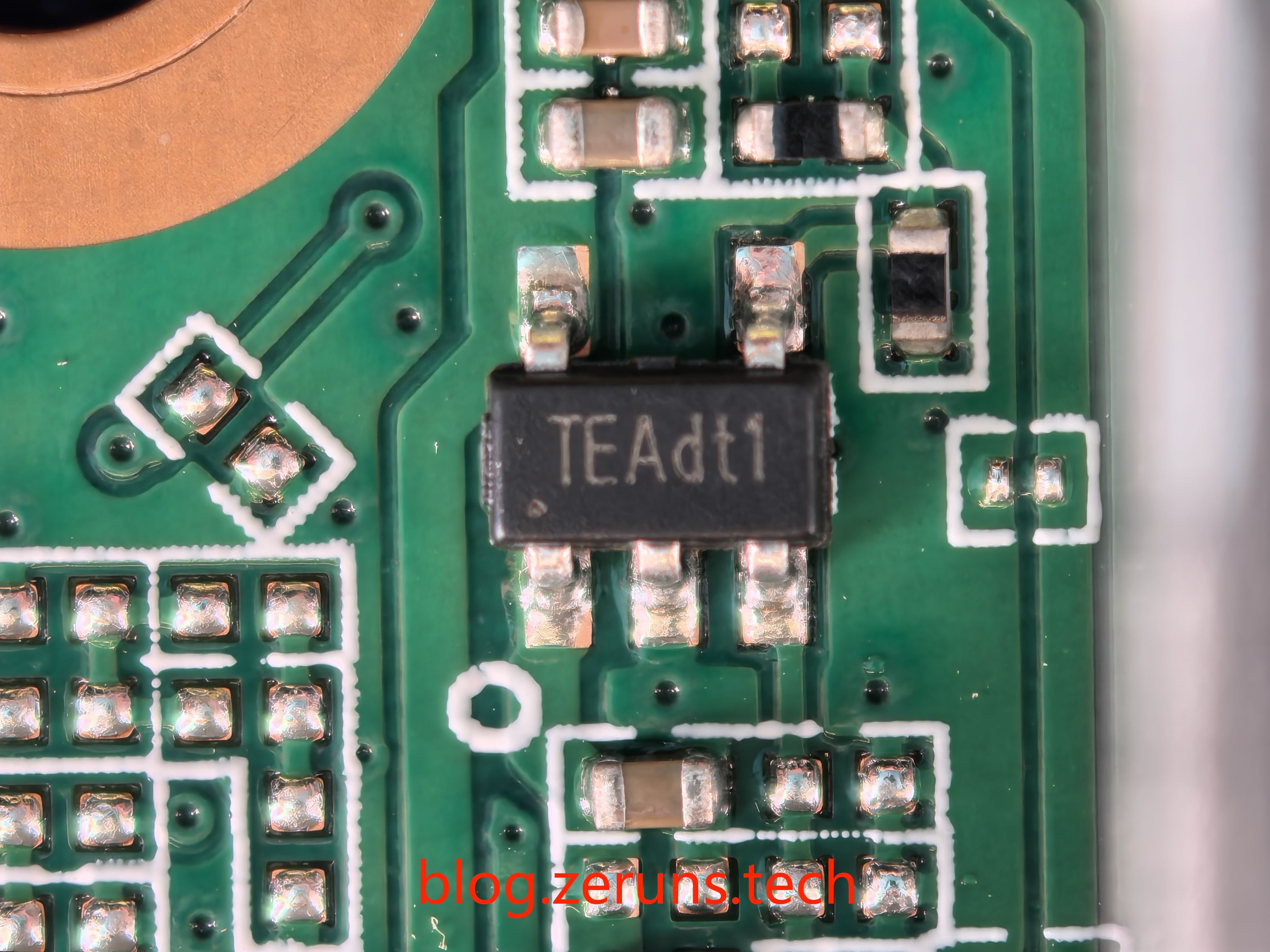
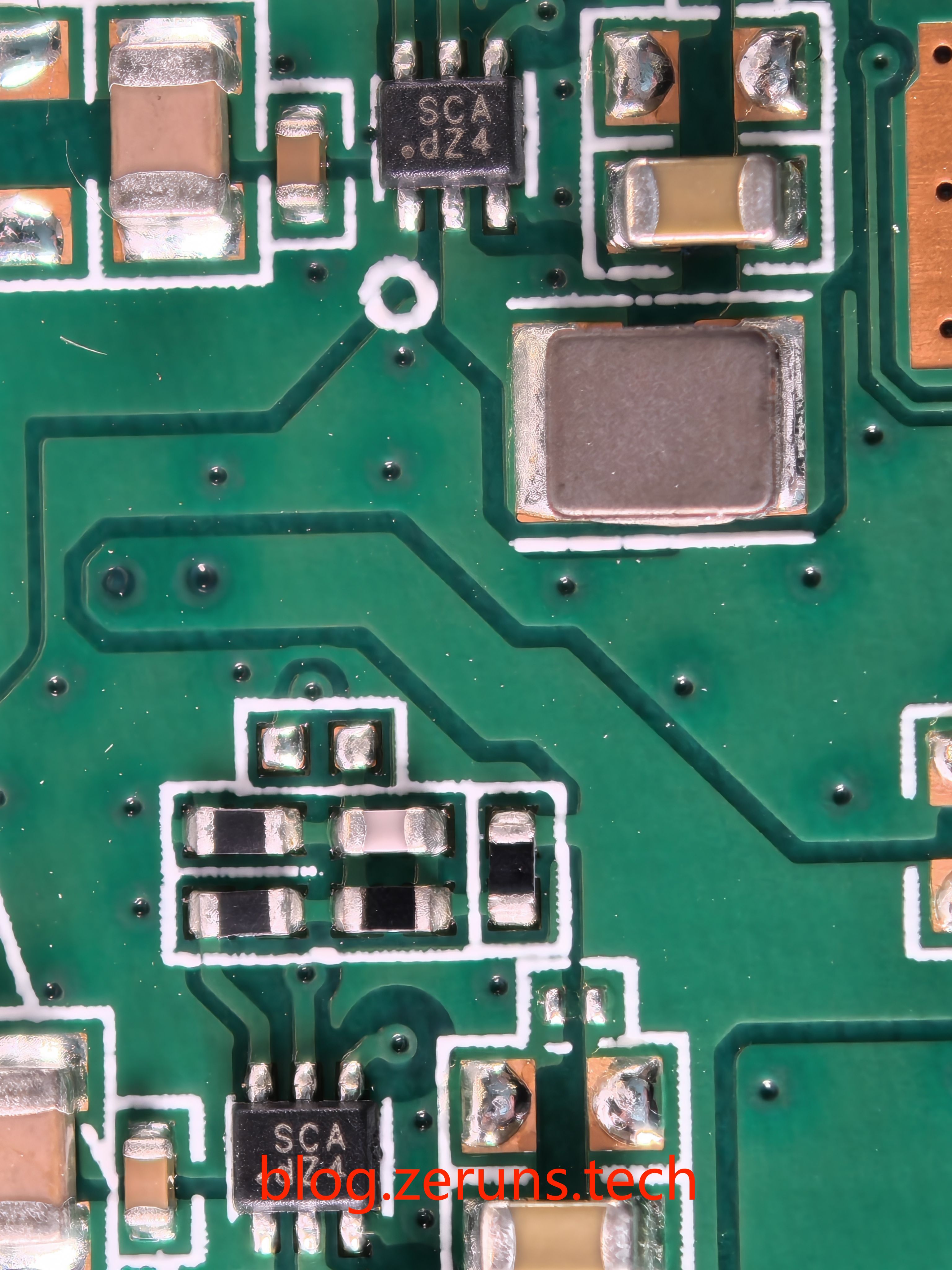
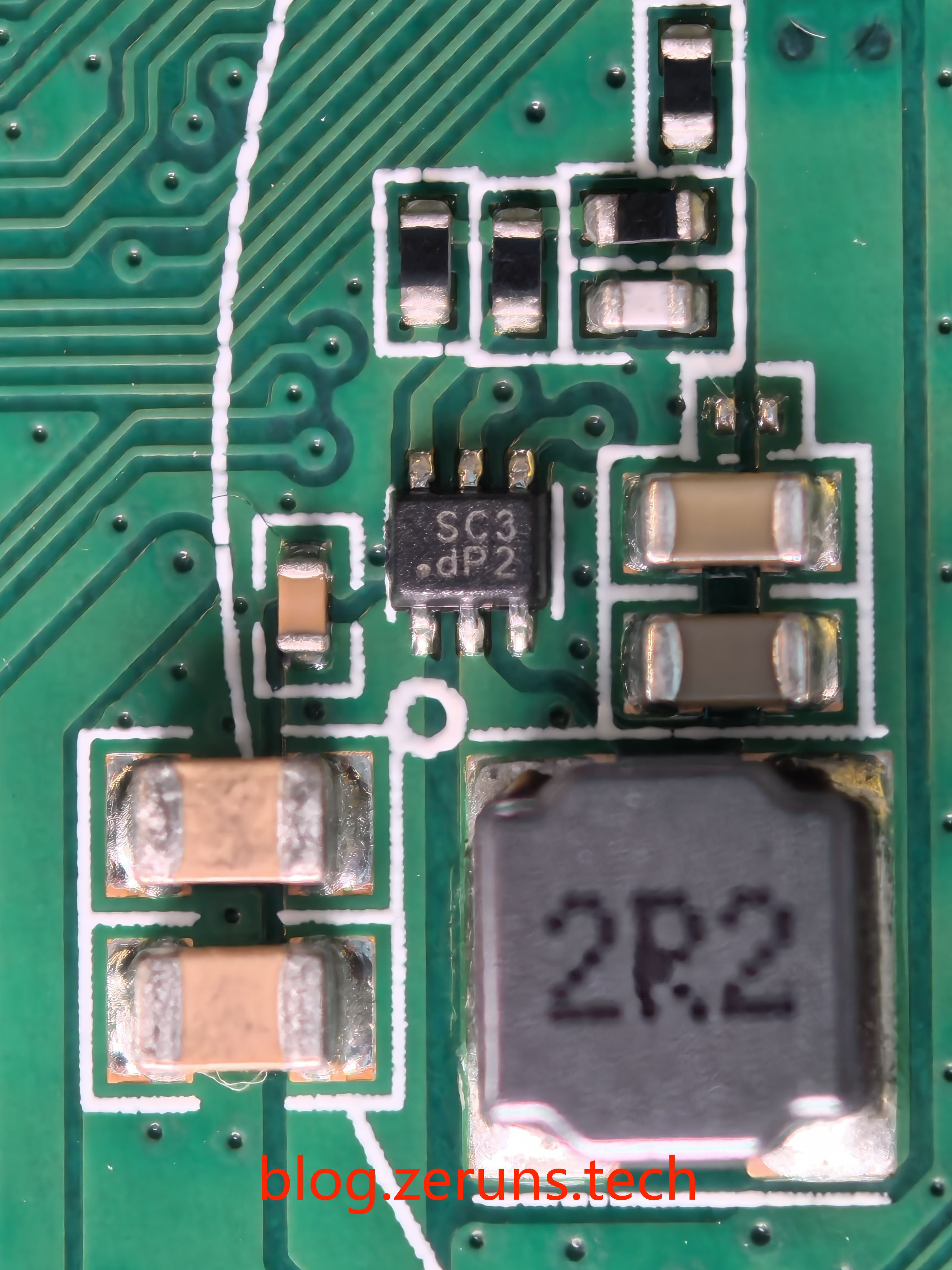
There are several other small unidentified ICs.
One commenter (adonis) on my official blog post provided insights on these components:
“69L2341 is a voice protector related to the phone port; the transistors are also associated with the phone interface. The five-pin small ICs are LDO regulators, and the six-pin ones are DC-DC converters—they convert the 12V input into 5V, 3.3V, 2V, and 1V required by different modules. Our factory manufactures modems, set-top boxes, and routers for ZTE, FiberHome, and Xiaomi—this unit might have been manufactured by us.”
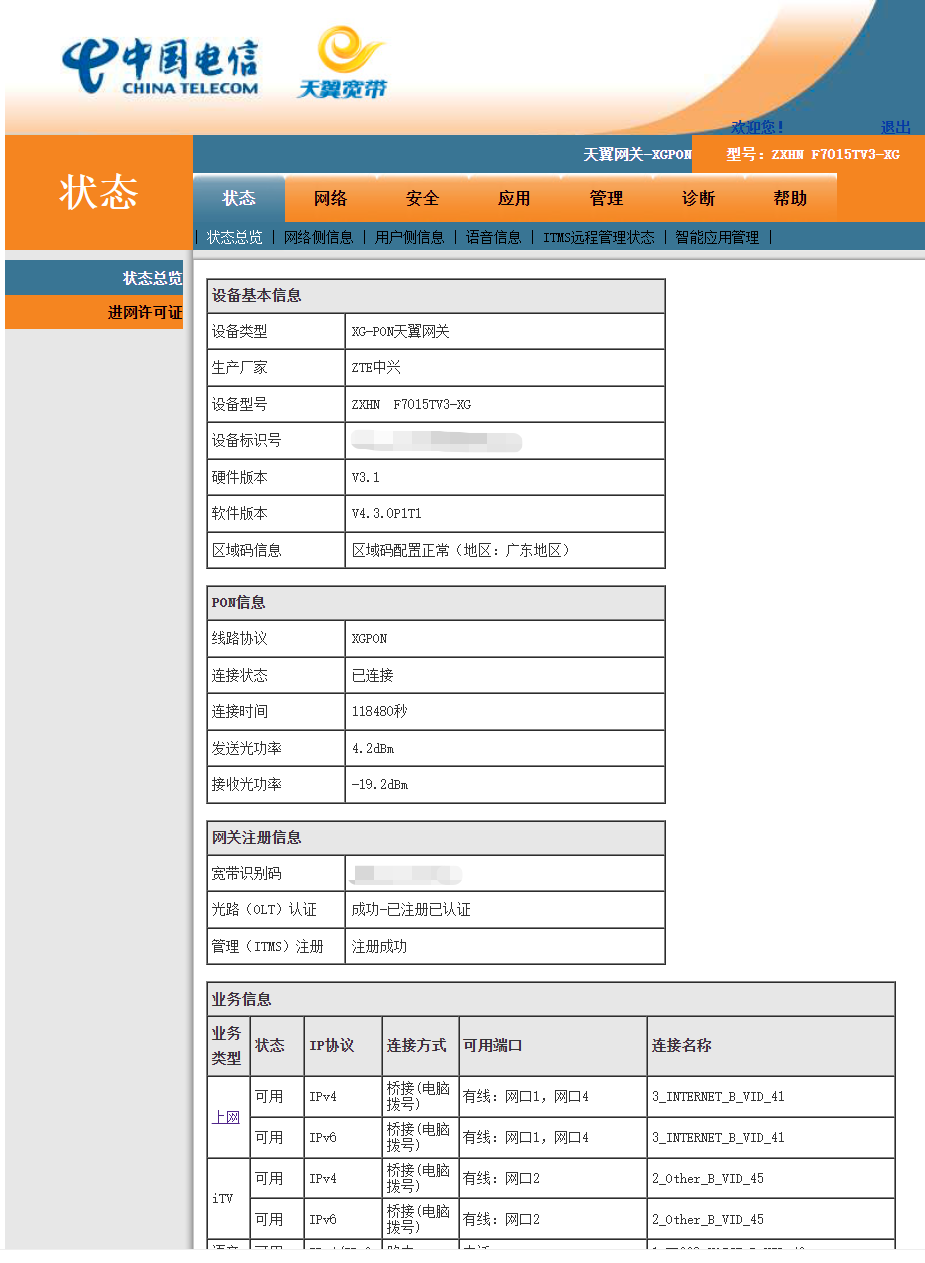
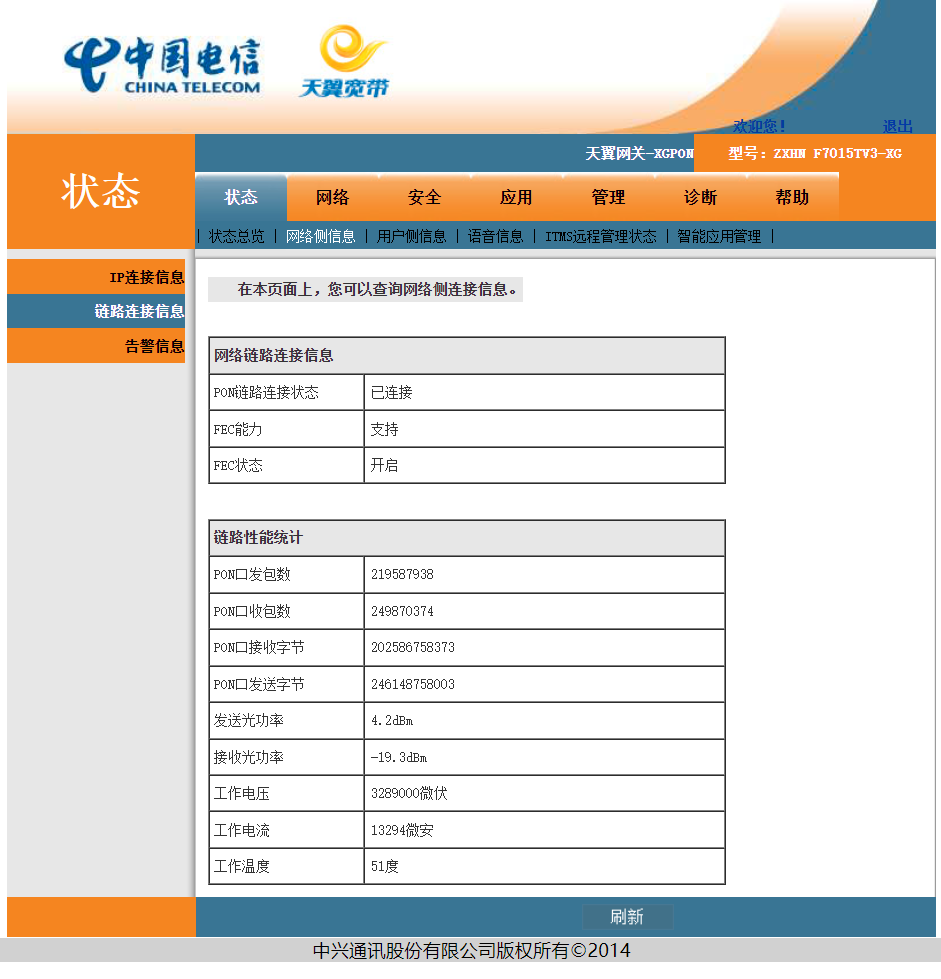
Admin Interface Screenshots
Thermal Imaging of Modem Heating
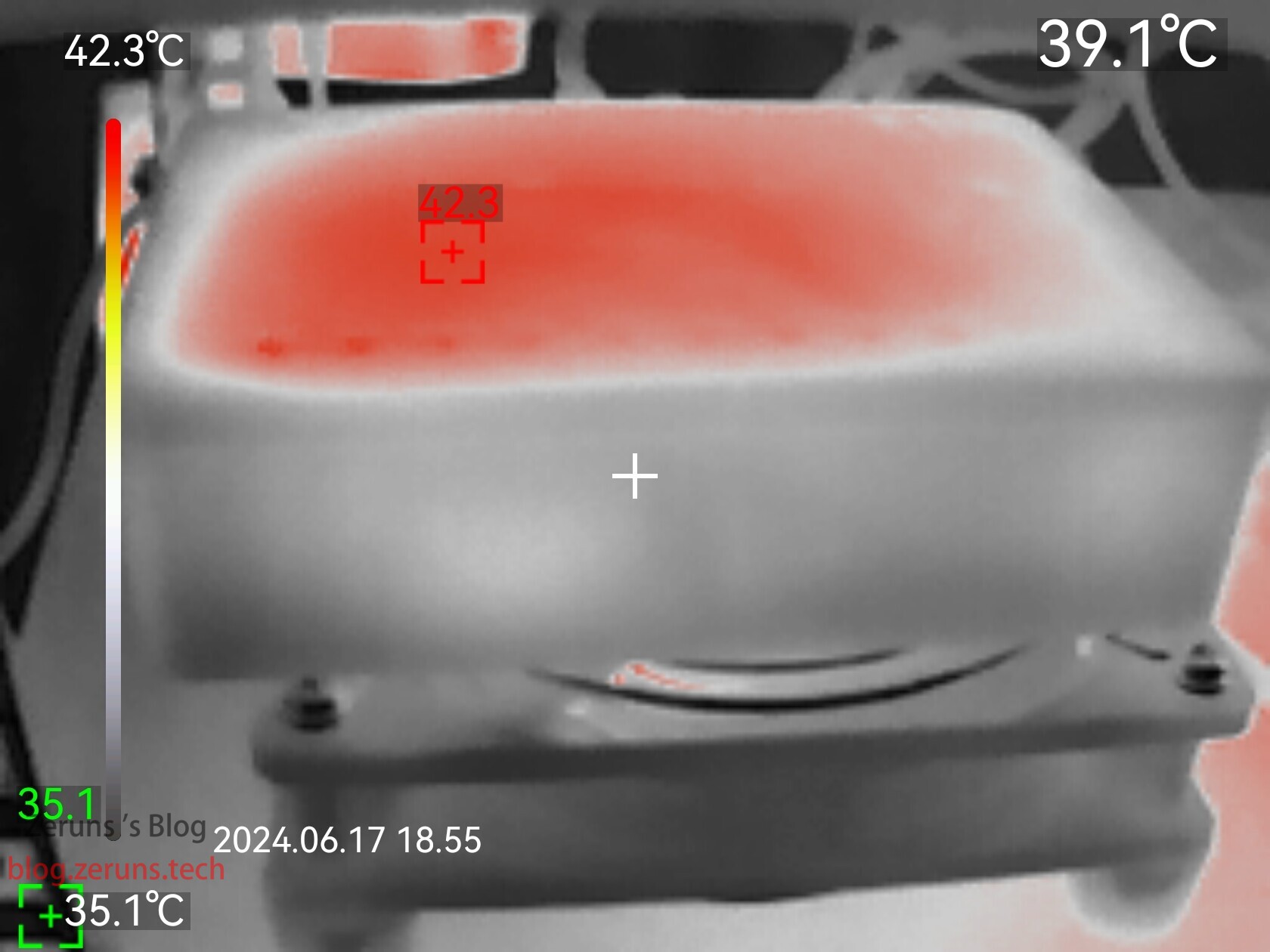
Below is a thermal image of the ZTE F7015TV3 with added cooling fan. Most of the top cover exceeds 40°C, with a maximum point at 42.3°C:
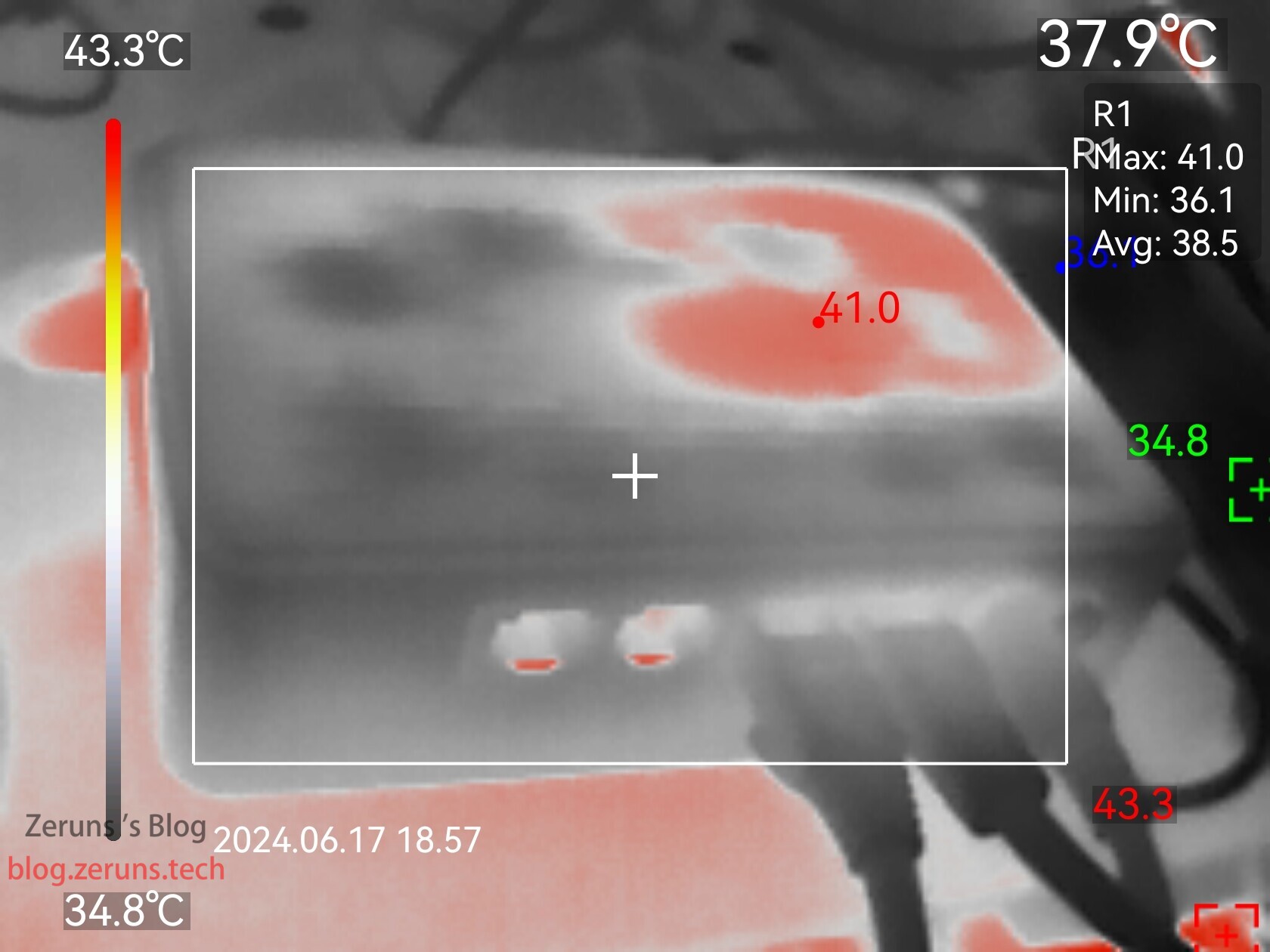
Below is a thermal image of the China Mobile Gigabit H50G modem without a fan. Only a small portion of the top surface exceeds 40°C, with a peak temperature of 41°C:
Unboxing review of the UNI-T UTi261M thermal imager: https://blog.zeruns.com/archives/798.html
Recommended Reading
- Affordable & High-Performance VPS / Cloud Server Recommendations: https://blog.zeruns.com/archives/383.html
- Minecraft Server Setup Guide: https://blog.zeruns.com/tag/mc/
- How to Set Up a Reverse Tunnel Server – NPS Setup and Usage Tutorial: https://blog.zeruns.com/archives/741.html
- No-Code Blog Setup – Complete Personal Blog Building Guide: https://blog.zeruns.com/archives/783.html
- QNAP TS-466C NAS Unboxing Review: https://blog.zeruns.com/archives/777.html