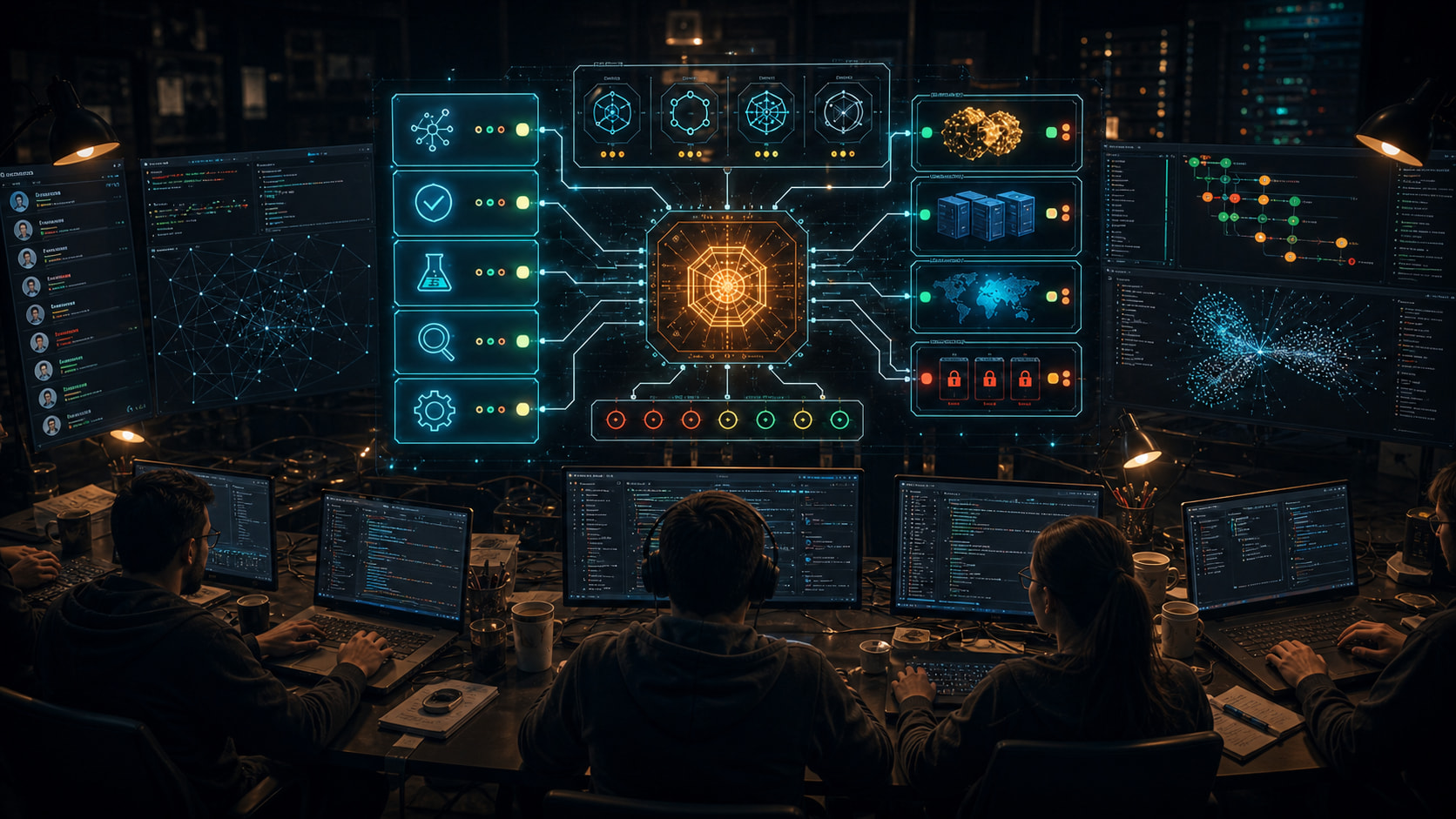
If you want to join a project that just “wraps another layer of model API,” rust-norion is not for you.
If what you want to work on is a more foundational, challenging, and long-term valuable direction: building the control layer for an AI self-evolving system in Rust, making memory, routing, model pools, evidence chains, danger signals, and lifecycles verifiable, rollbackable, and auditable—then you should take a look.
What we are doing right now isn’t making AI say a few more pretty words.
What we are doing is this: when an AI system starts writing its own memory, altering its routing, expanding its model pool, pulling in external references, and generating new tool blueprints, it must know what can enter the main path, what must be isolated first, what must be retired, what requires evidence, and what must never be trusted.
This is the truly hard part of a self-evolving system.
Today, rust-norion is already pushing forward on these hard problems:
Unified writer verifier gate, so writes can no longer barge in unchecked.
Adaptive routing trace verifier, so routing decisions can be reviewed and replayed.
Model-pool lifecycle, worker window lifecycle, tombstone, and recycle ledger, so the states created by the system have both a birth and a retirement.
Homeostatic / allostatic load gate, preventing recursive spawns, genome mutations, and model-pool expansions from blindly proliferating under high pressure.
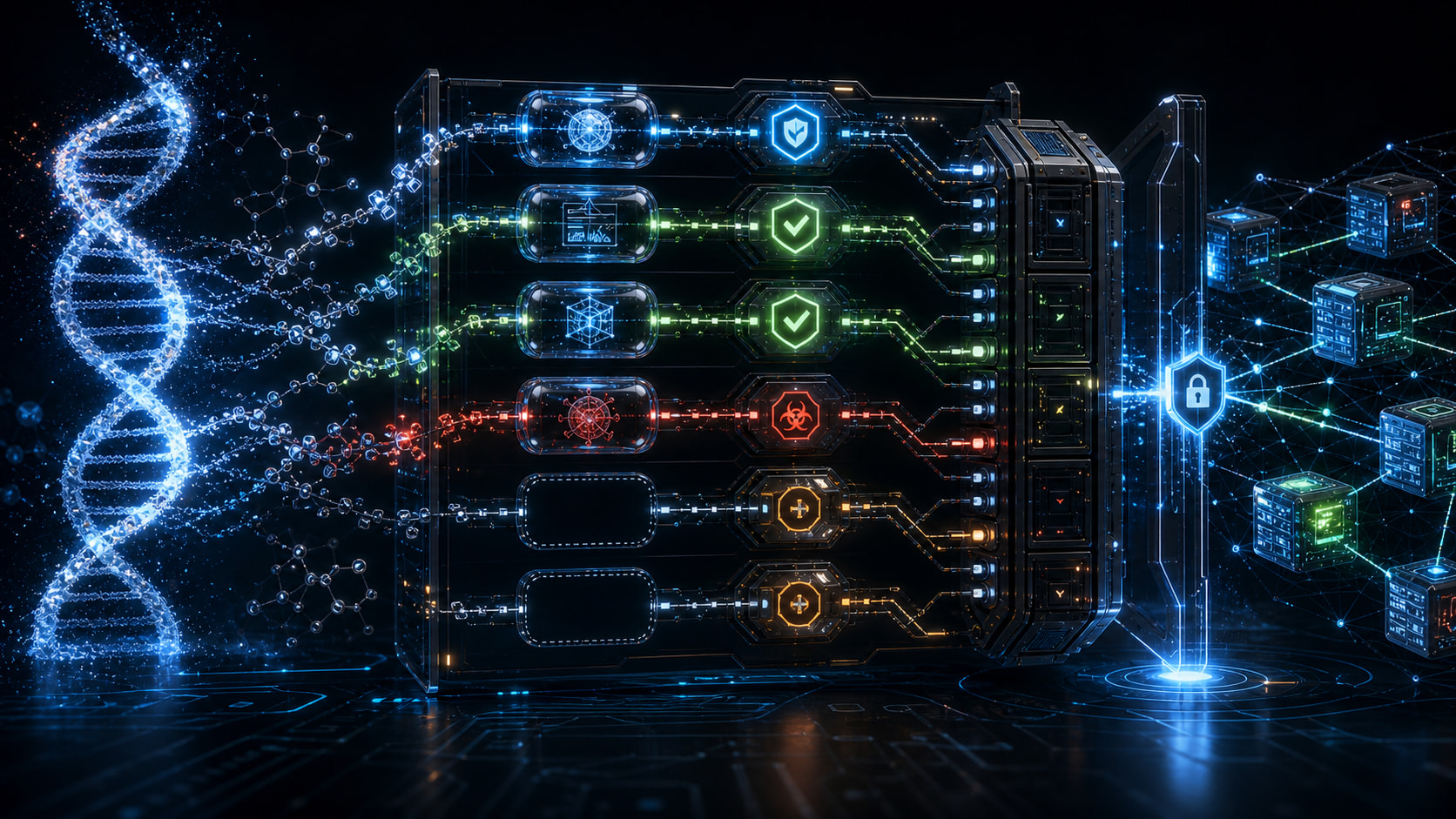
Danger signals, forcing adapter activations, memory admissions, cross-window handoffs, toolsmith blueprints, genome mutation candidates, and external references to pass risk identification first.
Shadow evidence and drift-domain evidence, requiring candidate memories, candidate fragments, and candidate routes to prove themselves before they can even talk about entering the main chain.
The OpenAI-compatible endpoint is just an entry point.
The real stuff lies beyond that entry point: control, evidence, boundaries, load, isolation, and retirement.
The contributors we need aren’t just people willing to “drop a star.”
We need people who can help us push this system deeper.
If you know Rust, you can work on the runtime, endpoints, streaming, error contracts, and model-pool lifecycle.
If you understand systems engineering, you can work on verifiers, gates, rollbacks, trace evidence, and state retirement.
If you understand AI agents, you can work on worker windows, handoffs, memory admissions, and the self-evolution loop.
If you understand biologically inspired computing, you can translate mechanisms like DNA expression, splicing, repair, immunity, and homeostatic regulation into truly runnable engineering structures.
If you’re skilled at testing, you can help fill in contract tests, shadow evidence tests, regression gates, and benchmarks.
If you excel at documentation and communication, you can help explain these complex mechanisms clearly, making them visible to more people who truly understand systems.
The most interesting thing about this project right now is that it hasn’t yet become something “set in stone, where you can only tweak the edges.”
Many core problems remain open.
When should a memory be written?
When should a mutation be promoted?
When is an external reference trustworthy?
When should the model pool be expanded?
When can state be handed off between agents?
How does a self-evolving system avoid getting dirtier the longer it runs?
These aren’t just slogans; they are problems that can be grounded in code, tests, traces, and gates.
If you’re looking for an easy project, this isn’t it.
If you’re looking for an open-source project that truly intertwines Rust, AI systems, biologically inspired control, and self-evolving architecture, there’s a place for you here.
Project Repo: https://github.com/yanghao1143/rust-norion
Discussions: https://github.com/yanghao1143/rust-norion/discussions/239
Don’t just watch from the sidelines.
Come open issues, break down modules, write tests, challenge the design, and fill in the evidence chains.
We are not building a louder AI.
We are building a more disciplined, self-proving, and sustainably evolving AI system.