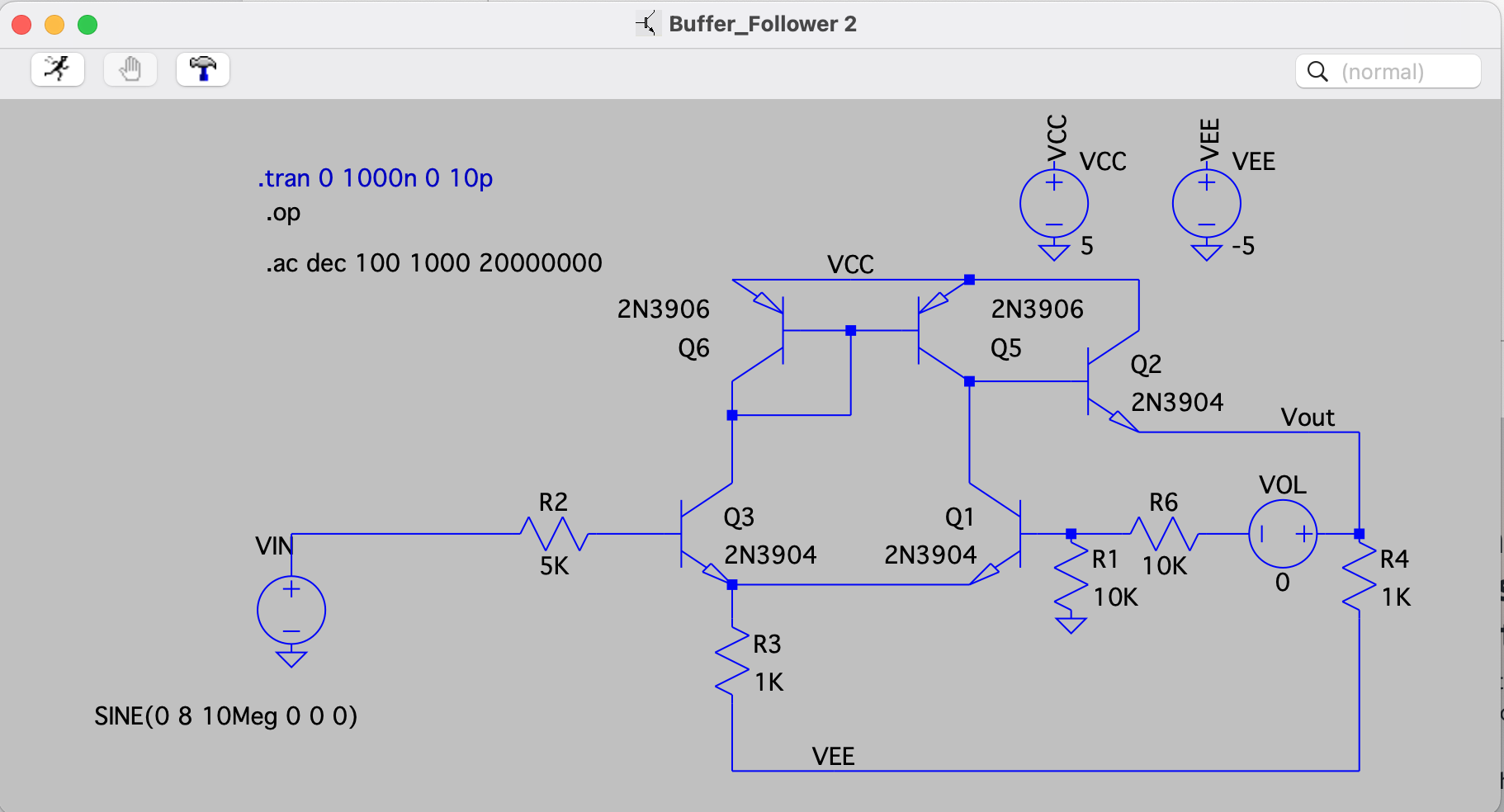
Here is a simple operational amplifier composed of 5 transistors and 2 resistors, which may help some people learn about the internal working principles of transistor operational amplifiers.
Of course, this operational amplifier has performance issues such as large offset voltage, high bias current, low open-loop gain, narrow bandwidth, and poor output stage performance. Any operational amplifier costing $0.10 on the market will outperform this one, but as a discrete component circuit, its structure is simple enough to serve as an excellent learning tool for those wanting to explore the internal workings of operational amplifiers rather than treating them as a “black box.”
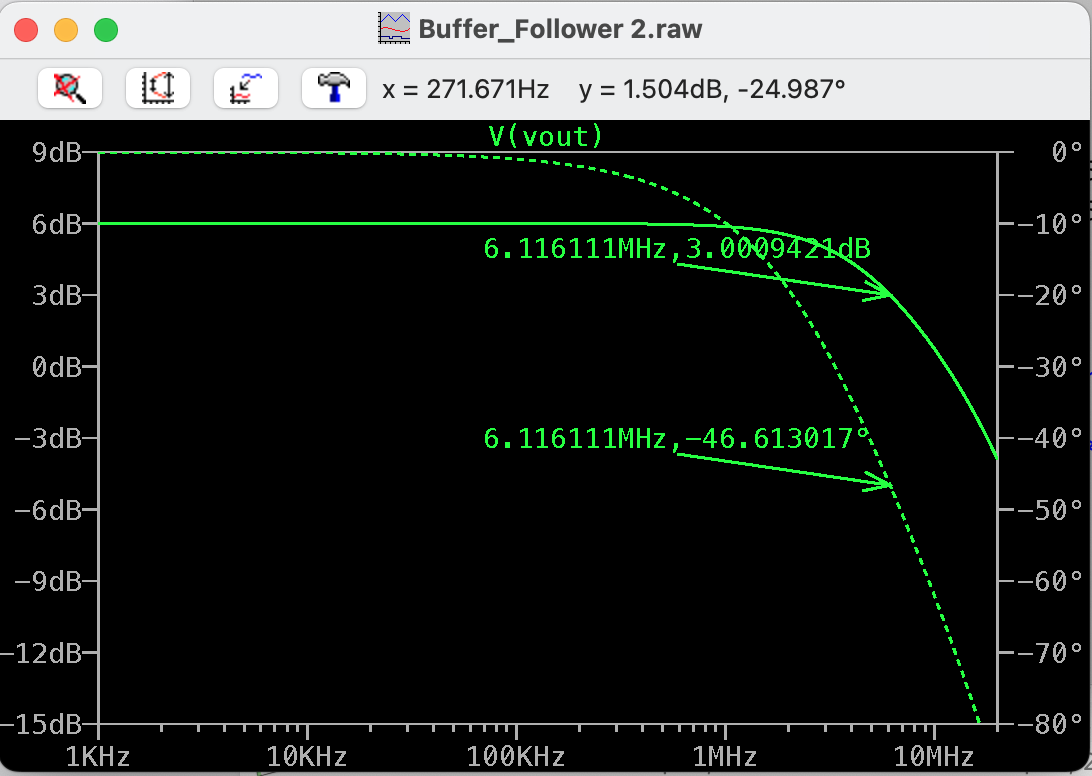
Most transistors can be used to build this circuit. We selected 2N3904 and 2N3906 transistors paired with two 1kΩ resistors. The core circuit only requires a ±5V power supply to operate. The circuit uses a pair of 10kΩ resistors for feedback, configured in a non-inverting amplifier setup with a gain of 2 (6dBV).
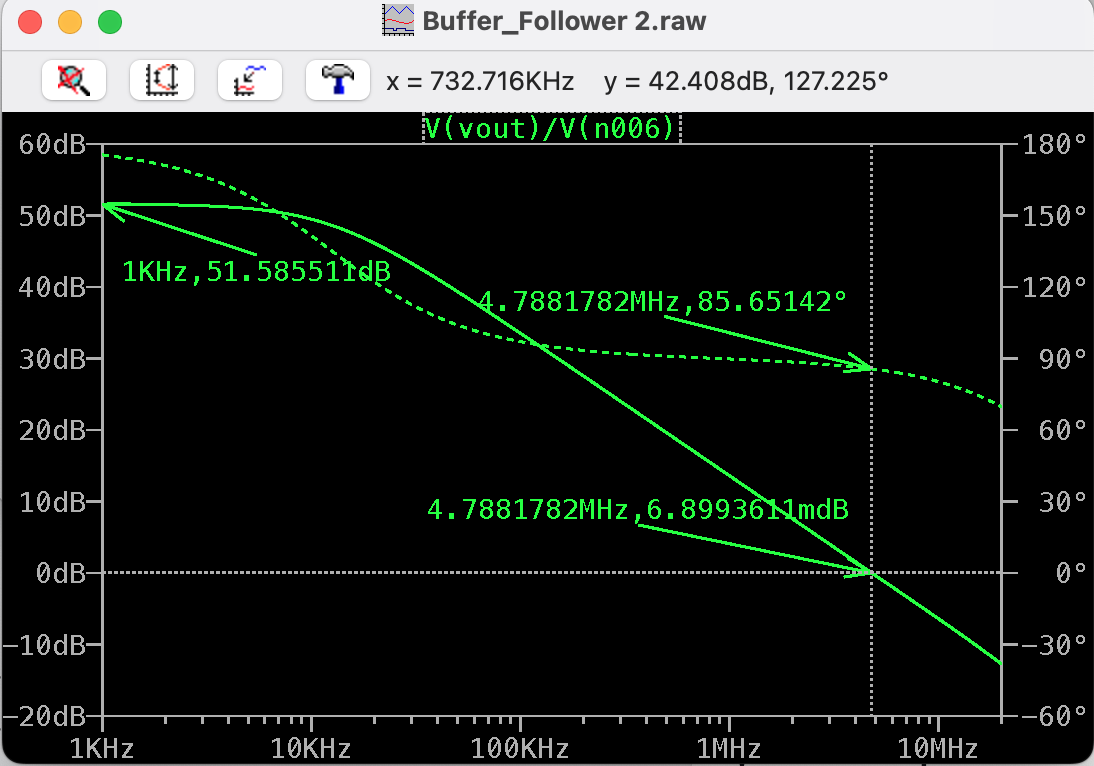
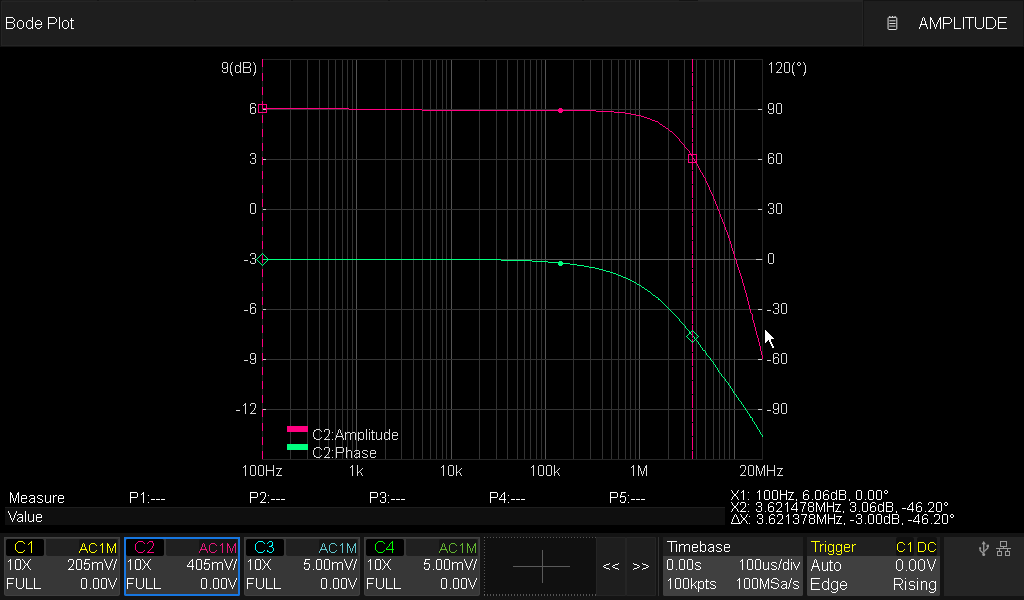
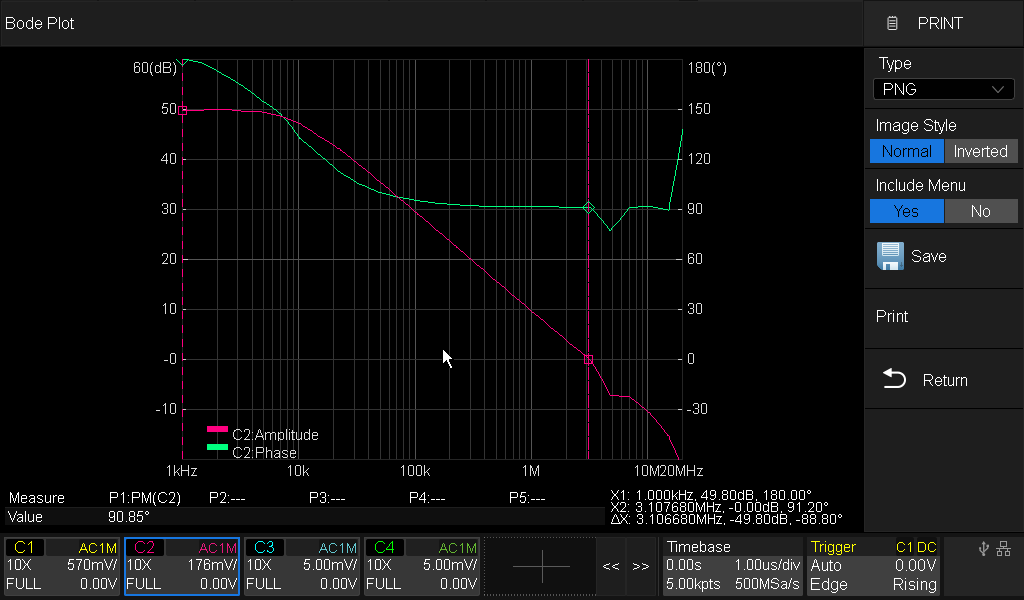
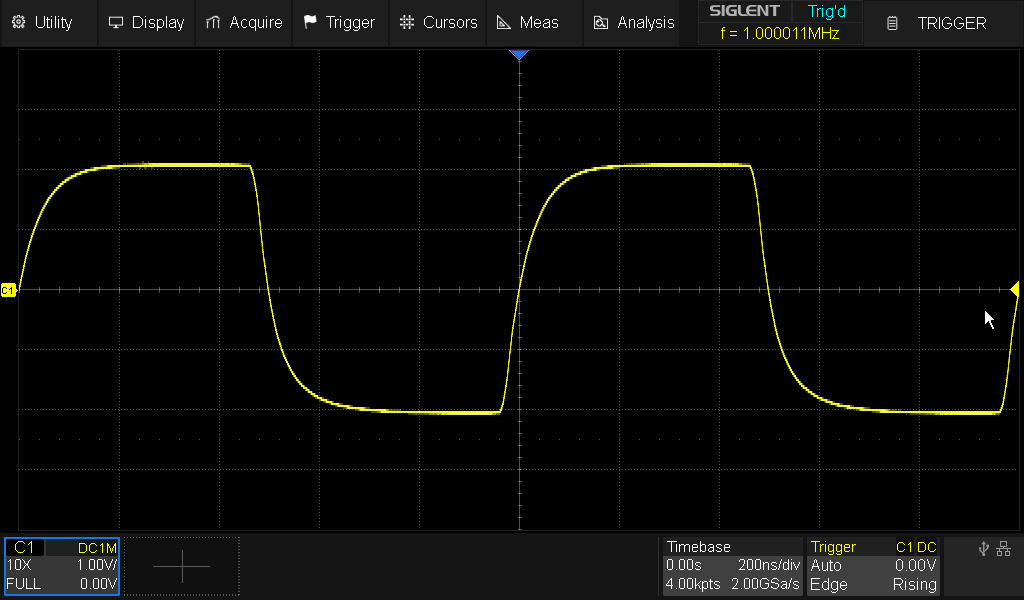
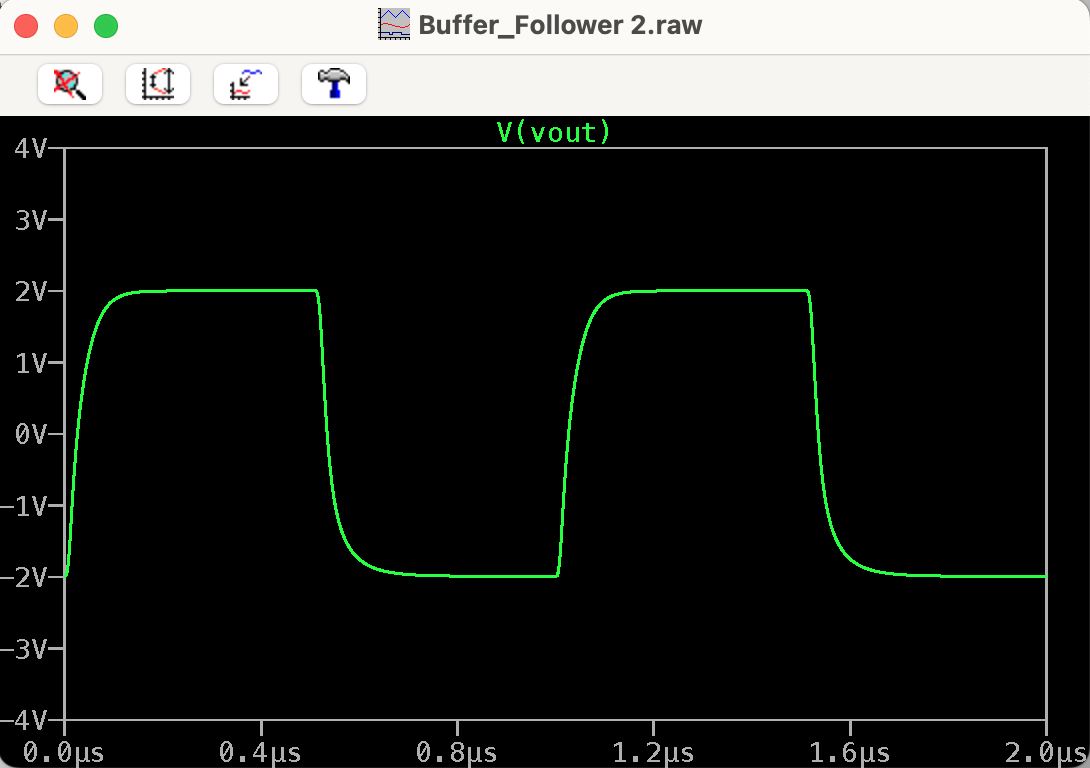
The article includes simulation results based on the LTspice default model, as well as actual circuit test response data — test results show the circuit achieves the previously mentioned 2x gain, and an isolation transformer was used during the open-loop tests for the measurements.
Please note that in the LTspice schematic, VOL is a test voltage source used to measure open-loop gain, and in actual measurements, the secondary winding of the isolation transformer is also connected at this position.
We hope you find some enjoyment from this circuit.